Hair Restoration · Concern
Female Hair Loss: Causes and Treatment Options
Hair loss in women is common, and in many cases it can be slowed or stopped with treatment. The most common cause is female pattern hair loss, which is hereditary and often shows as a widening part. Shedding after childbirth, illness or stress is usually temporary. A dermatologist can tell which one you have.
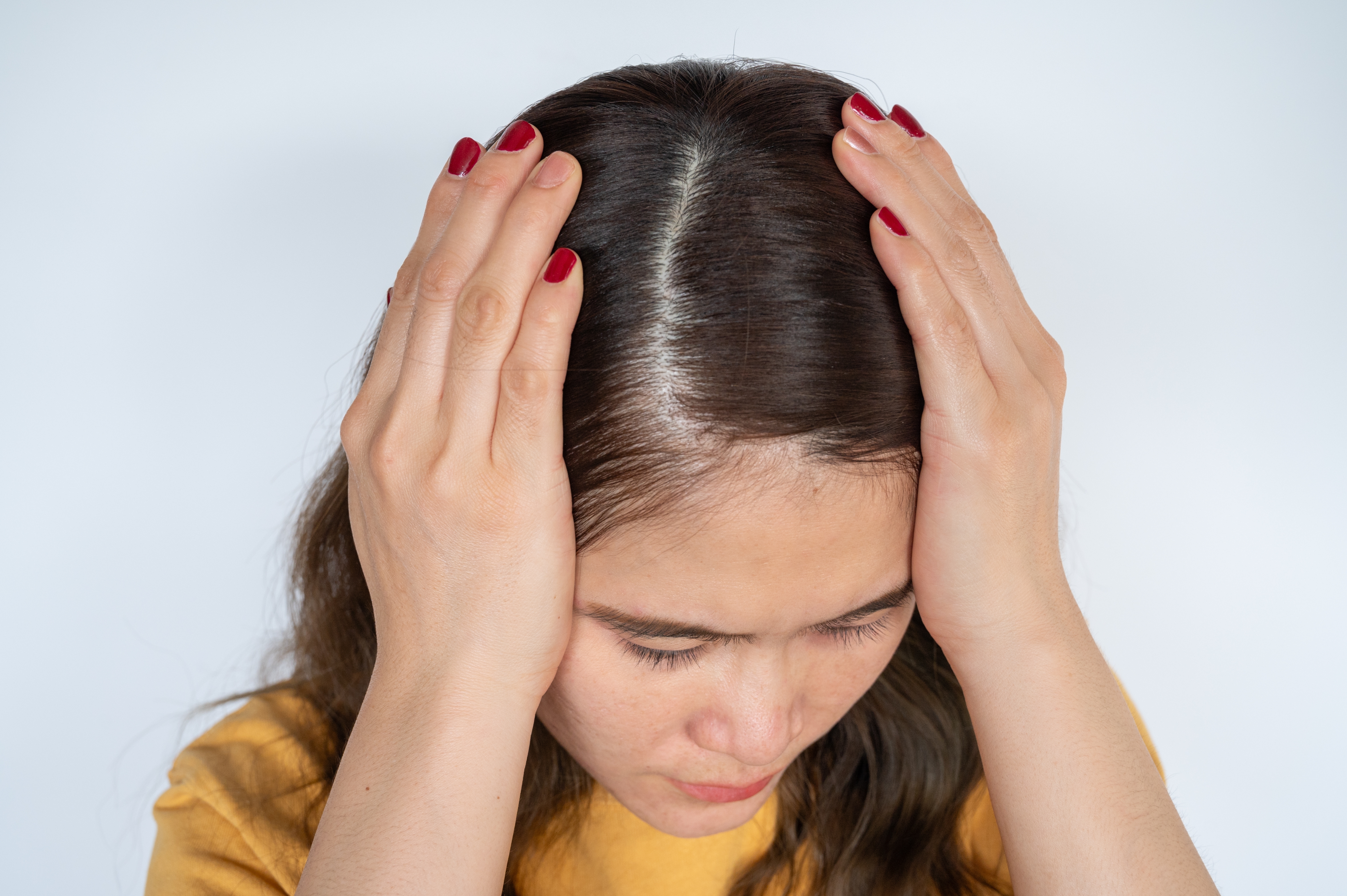
What Does Female Hair Loss Look Like?
Hair loss in women often looks different from hair loss in men. Instead of a bald spot, the part gets wider, a ponytail feels thinner, or hair thins on the top of the head. The hairline usually stays in place, though for some women hair near the temples may recede. Doctors describe the stages of female pattern hair loss with the Ludwig scale.
What Causes Hair Loss in Women?
Female pattern hair loss is the most common cause of hair loss in women. It is hereditary: the genes can come from your mother, your father or both. It usually begins in midlife, in the 40s, 50s or 60s, though it can start earlier. It is more common after menopause, so hormones may also play a role. It tends to get worse slowly, and without treatment some women develop thinning all over the scalp. Women rarely lose all of their hair.
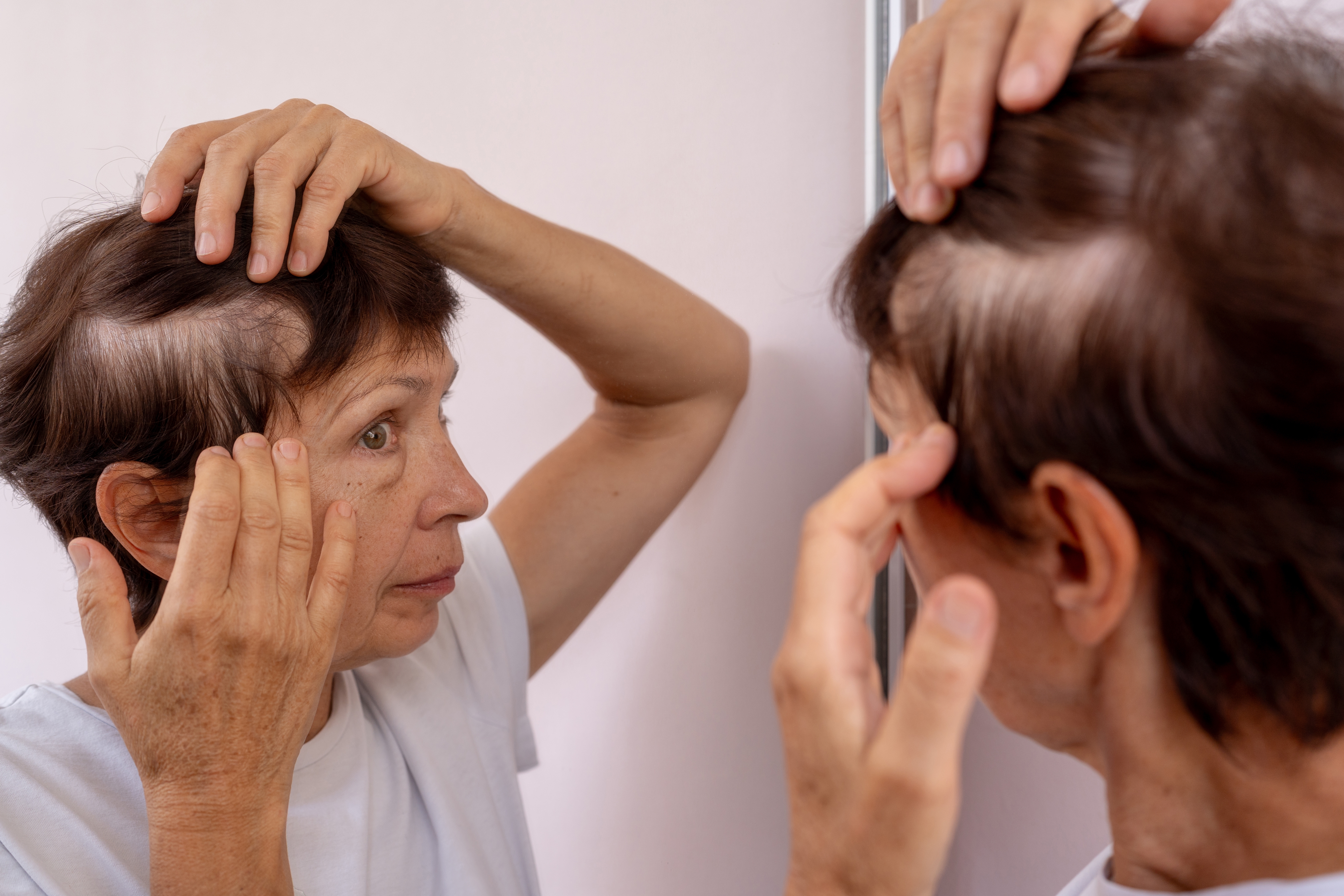
Other Causes
Childbirth, surgery, illness or a stressful event, which can cause heavy shedding a few months later
Thyroid problems and other hormone changes, such as polycystic ovary syndrome (PCOS) or menopause
Low iron and other nutritional deficiencies
Autoimmune conditions, such as alopecia areata or lupus
Some medications
Tight hairstyles and harsh chemical treatments, which over time can cause a receding hairline
Pulling out your own hair, a condition called trichotillomania
Hair Loss After Pregnancy
Heavy shedding after giving birth is normal and temporary. It can start about two months after the birth, and it usually peaks at about four months. As the body readjusts, the shedding stops, and within six to nine months hair tends to return to its normal fullness.
Can Female Hair Loss Be Stopped or Grow Back?
In many cases, yes. What to expect depends on the type of hair loss.
- Female pattern hair loss: Treatment can stop it from getting worse and help some hair regrow. It tends to work better when it starts at the first signs.
- Shedding after childbirth, illness or stress: It stops on its own as the body readjusts. If the stress goes on, the shedding can last longer.
- A health issue, such as a thyroid problem: Treating it may be enough for hair to regrow.
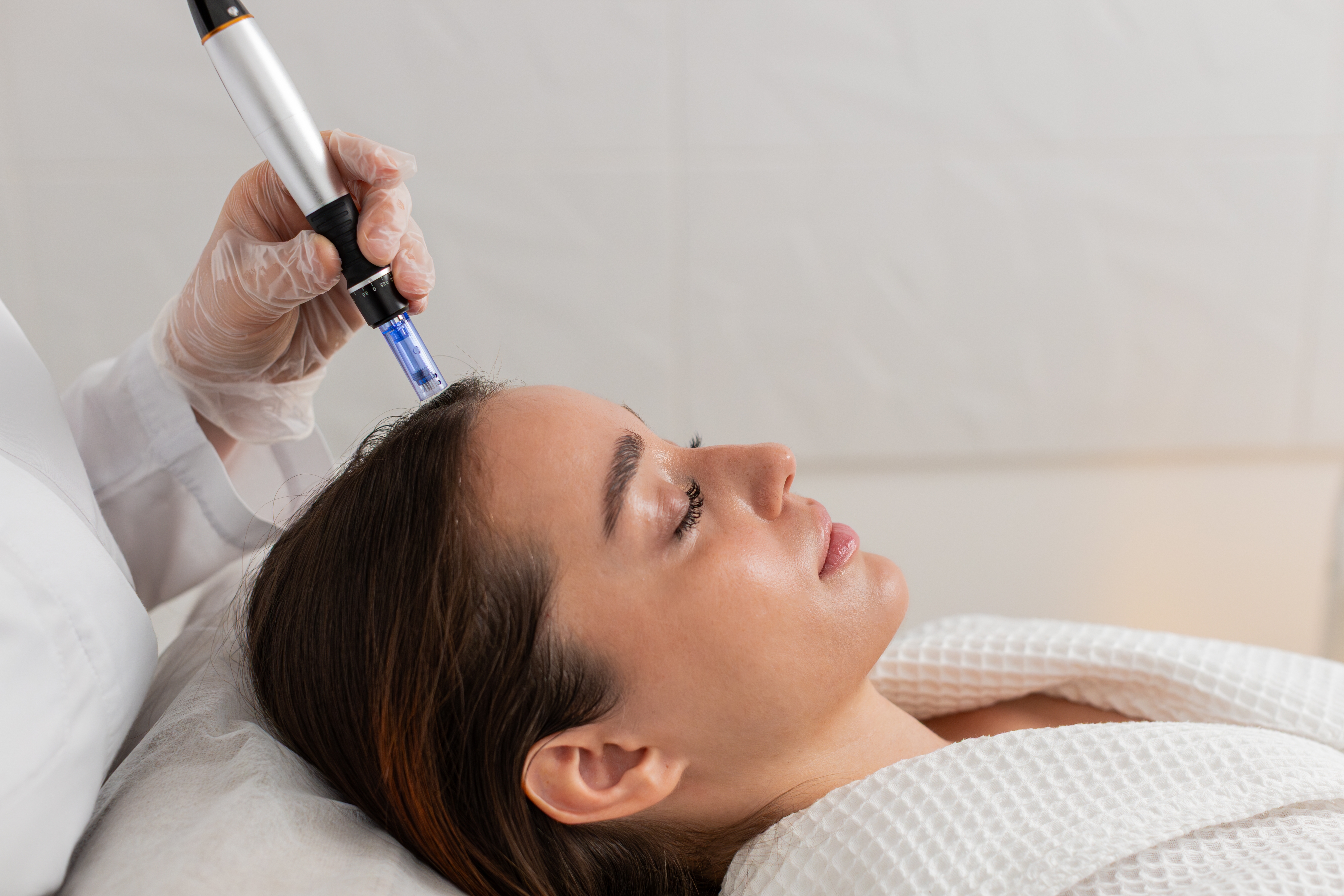
When to See a Doctor About Hair Loss
In women, the cause of hair loss is worth finding, even when the change is slow. Make an appointment with a dermatologist if any of these sounds familiar.
Do any of these sound like you?
Our coordinators reply within 24 hours.
0/5
Treatment Options for Female Hair Loss
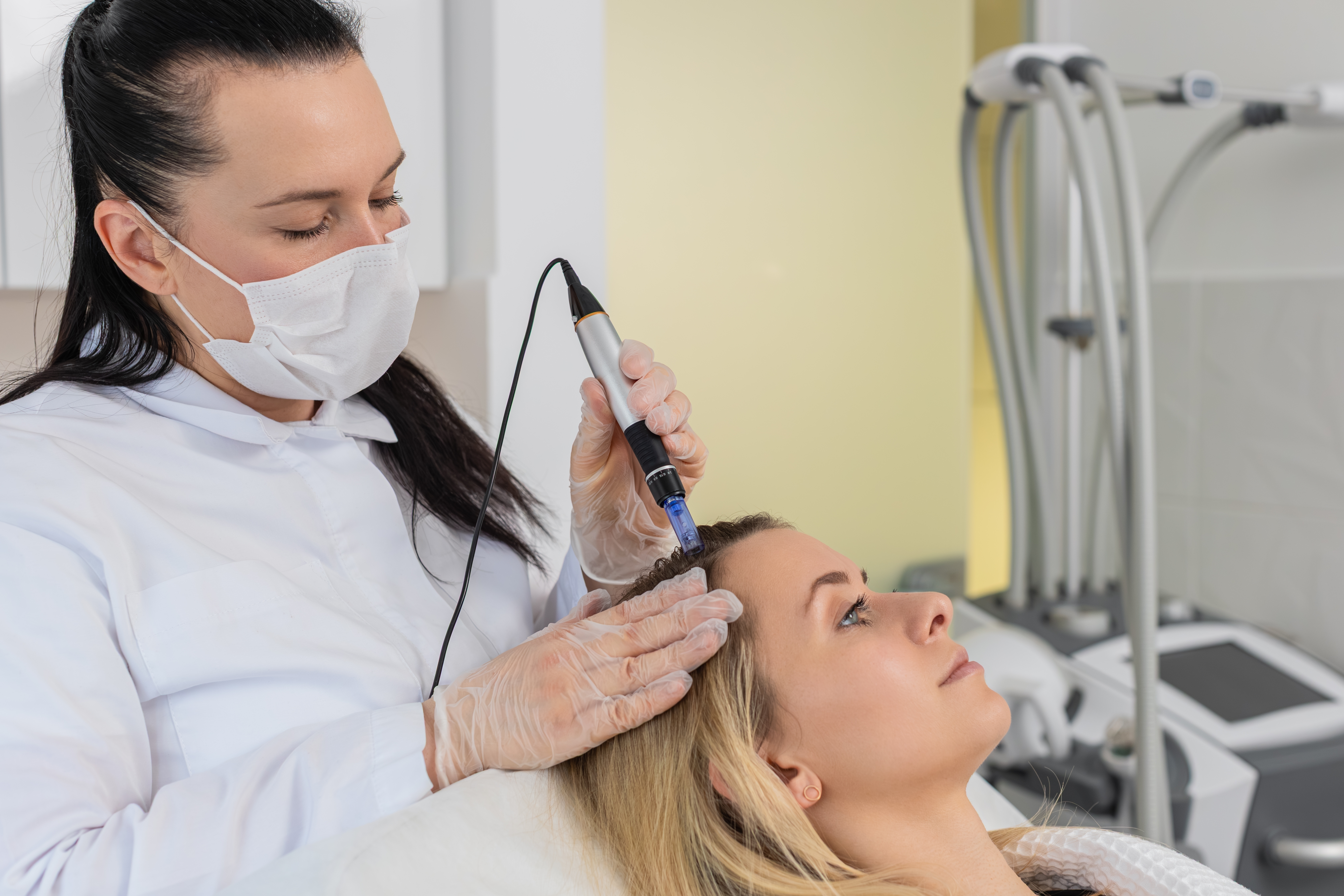
For female pattern hair loss, the main options are medication from a dermatologist and, for some women, a hair transplant. When another cause is behind the hair loss, treating that cause comes first.
Medication
For female pattern hair loss, a dermatologist may recommend medication, such as minoxidil applied to the scalp, which the FDA has approved for women. Medication is not right for everyone, including women who are pregnant, planning a pregnancy or breastfeeding, so a dermatologist decides what fits you.
Hollywood Patient Care coordinates hair transplant care. We do not prescribe or sell medication.
Based on our research of published clinic prices, checked October 2026. Your coordinator gives you a personal quote.
Hair Restoration
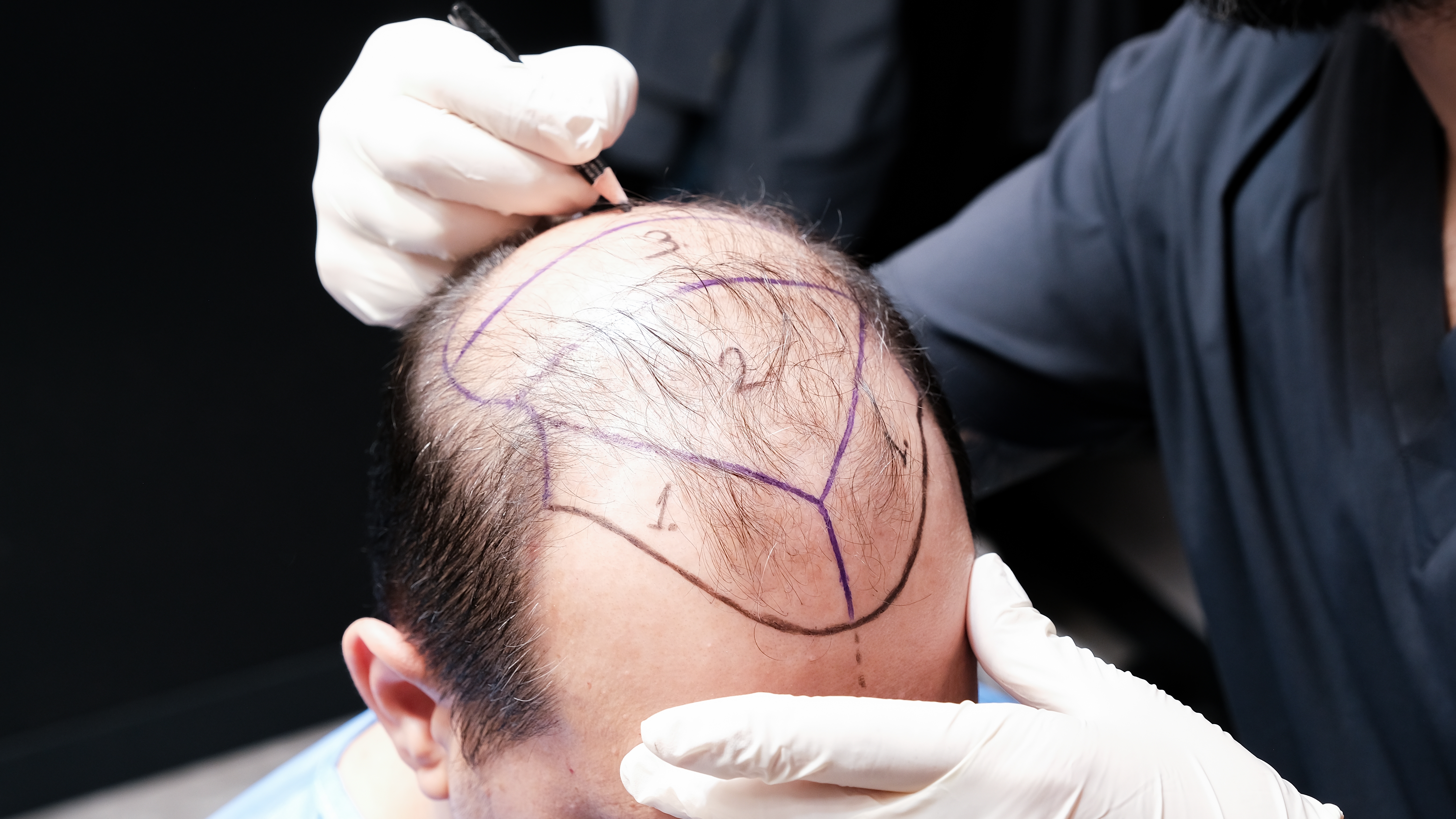
Hair Transplant
Hair surgery
Moves your own hair follicles to areas that are thinning or bald.
Time abroad
2 to 3 days
When it may fit: For some women with female pattern hair loss in a defined area, once the pattern is stable and there is enough healthy donor hair.
Hair Restoration
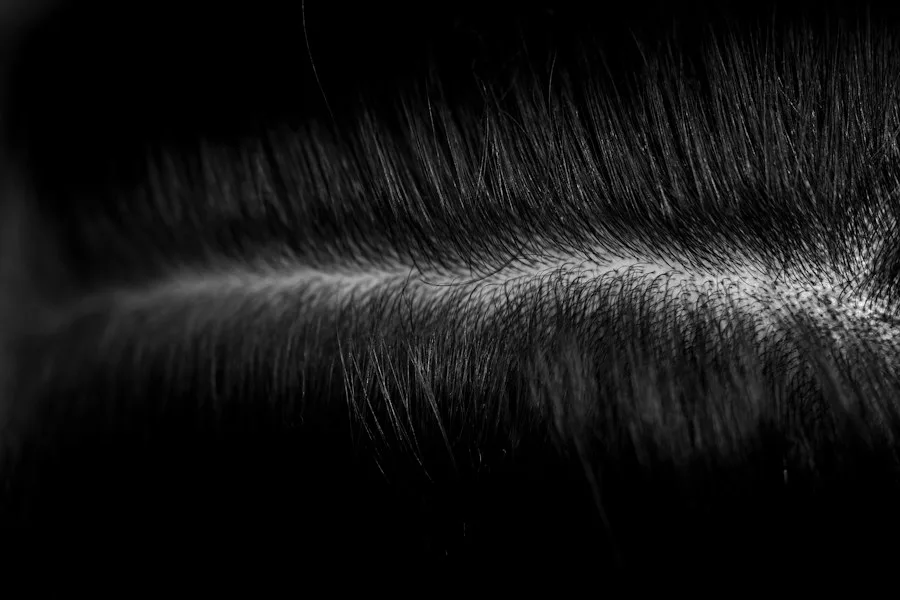
FUE Hair Transplant
Removes grafts one by one from the donor area and places them where hair is thinning.
Hair Transplant Doctors
These doctors perform hair transplants. Each profile shows their training, the procedures they perform and where they work.

Hair Transplant Clinics
These hospitals and clinics perform hair transplants and are listed on Hollywood Patient Care. Verified clinics have passed our checks. How we verify
Female Hair Loss: Frequently Asked Questions
Does menopause cause hair loss?
It can play a part. Female pattern hair loss is more common after menopause, and the drop in the hormones estrogen and progesterone may contribute to hair loss at this time. Hair loss that starts around menopause can get worse over time, so it is worth seeing a dermatologist early.
How long does treatment take to work?
Treatment for female pattern hair loss takes time. It can be several months before you can tell whether it is working. A dermatologist can tell you what to expect from your treatment.
Do hair supplements help with female hair loss?
In most studies, supplements had no effect on hair growth or thickness. Check with a dermatologist before you take any, because some supplements can interact with medications.
Sources
Thinning hair and hair loss: Could it be female pattern hair loss?
American Academy of Dermatology · aad.org
Do you have hair loss or hair shedding?
American Academy of Dermatology · aad.org
Thinning hair in women: Why it happens and what helps
Harvard Health Publishing · health.harvard.edu
Hair loss in women
Healthline · healthline.com
Androgenetic alopecia
MedlinePlus Genetics, U.S. National Library of Medicine · medlineplus.gov
A Guide to Hair Transplant for Women
International Society of Hair Restoration Surgery · ishrs.org
Hair loss in women and its effect on quality of life
International Society of Hair Restoration Surgery · ishrs.org