HAIR RESTORATION · BEARD & EYEBROW
Beard Transplant
Also known as: facial hair transplant
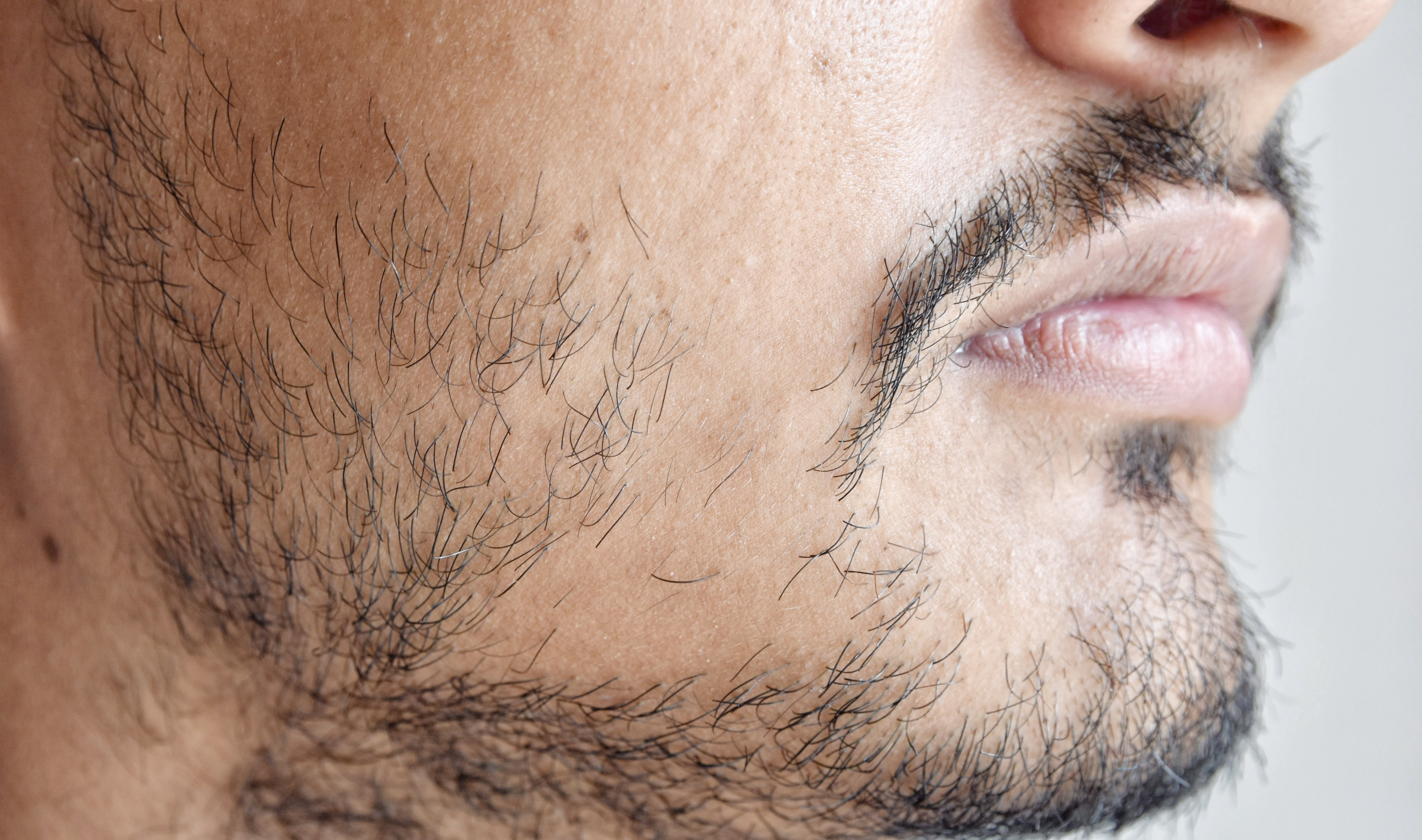
A beard transplant moves hair follicles, usually from the back of your head, to thin or patchy beard areas. Most patients stay 3 days. The new hairs shed first, regrow after 3 to 4 months and reach the full result at 10 to 14 months.
- AnesthesiaLocal
- Hospital stayNone, same day
- Time abroad3 days
- Regrowth starts3 to 4 months
- Full result10 to 14 months
Is a Beard Transplant Safe?
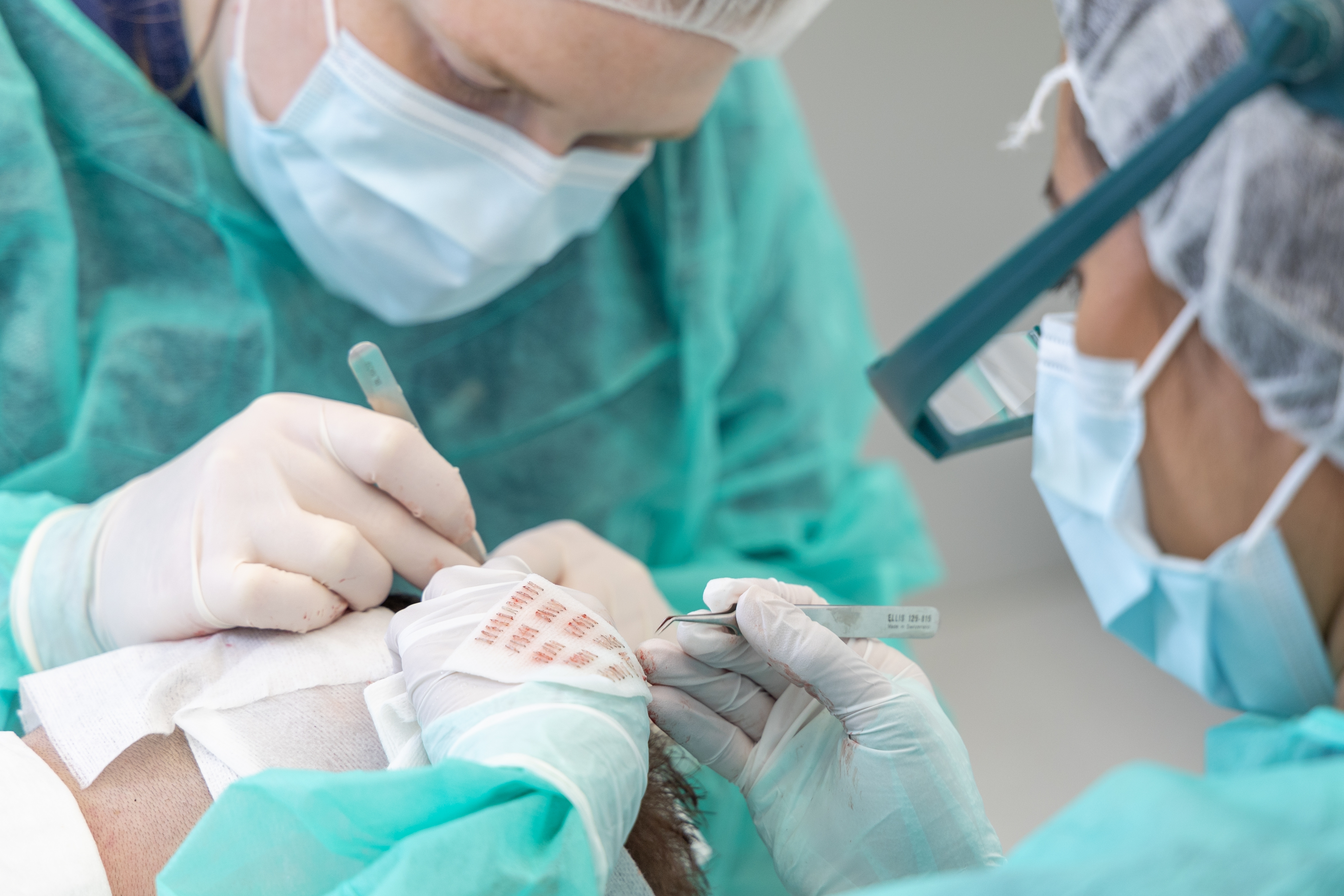
It can be, when an experienced, licensed doctor performs it. A beard transplant usually involves little pain, bruising, swelling or downtime, but like any surgery it has risks.
Possible Risks
Your surgeon explains them before you agree to the procedure.
- Poor growth of some transplanted hairs
- Darkening of the skin in the treated area
- Small bumps around the grafts
- Hairs growing in the wrong direction, if grafts are placed at the wrong angle
- Infection or small cysts, which are rare
Warning Signs After You Get Home
Contact your clinic and your coordinator if you notice:
- Redness, swelling or pain that gets worse instead of better
- Pus or a fever
- Scabs that are still there after 2 weeks
Who Is a Good Candidate for a Beard Transplant?
You may be a good candidate if your beard is thin or patchy, has gaps, or has missing areas from scars, and you have enough donor hair. Your surgeon examines your face and donor area first.
Good Candidates
Your beard is thin or patchy, or hasn't grown in some areas since you were young.
You have scars in your beard area, for example from burns, injuries, acne or cleft lip surgery.
You have enough healthy donor hair.
Where Does the Donor Hair Come From?
Most often from the back and sides of your head, where hair doesn't usually bald. Hair from under your jawline can also be used. Darker and thicker hair usually gives a fuller look.
Your surgeon makes the final decision after examining your face and donor area.
Which Areas Can a Beard Transplant Fill?
A beard transplant can fill one area or several. Your surgeon maps each area and plans how many grafts it needs.
Mustache: The upper lip
Chin: Including a goatee
Cheeks: The beard line on your cheeks
Sideburns: The strip in front of your ears that joins your hair to your beard
How Is a Beard Transplant Performed? Procedure Steps
A beard transplant is done under local anesthesia, and you go back to your hotel the same day.
Planning and Beard Design
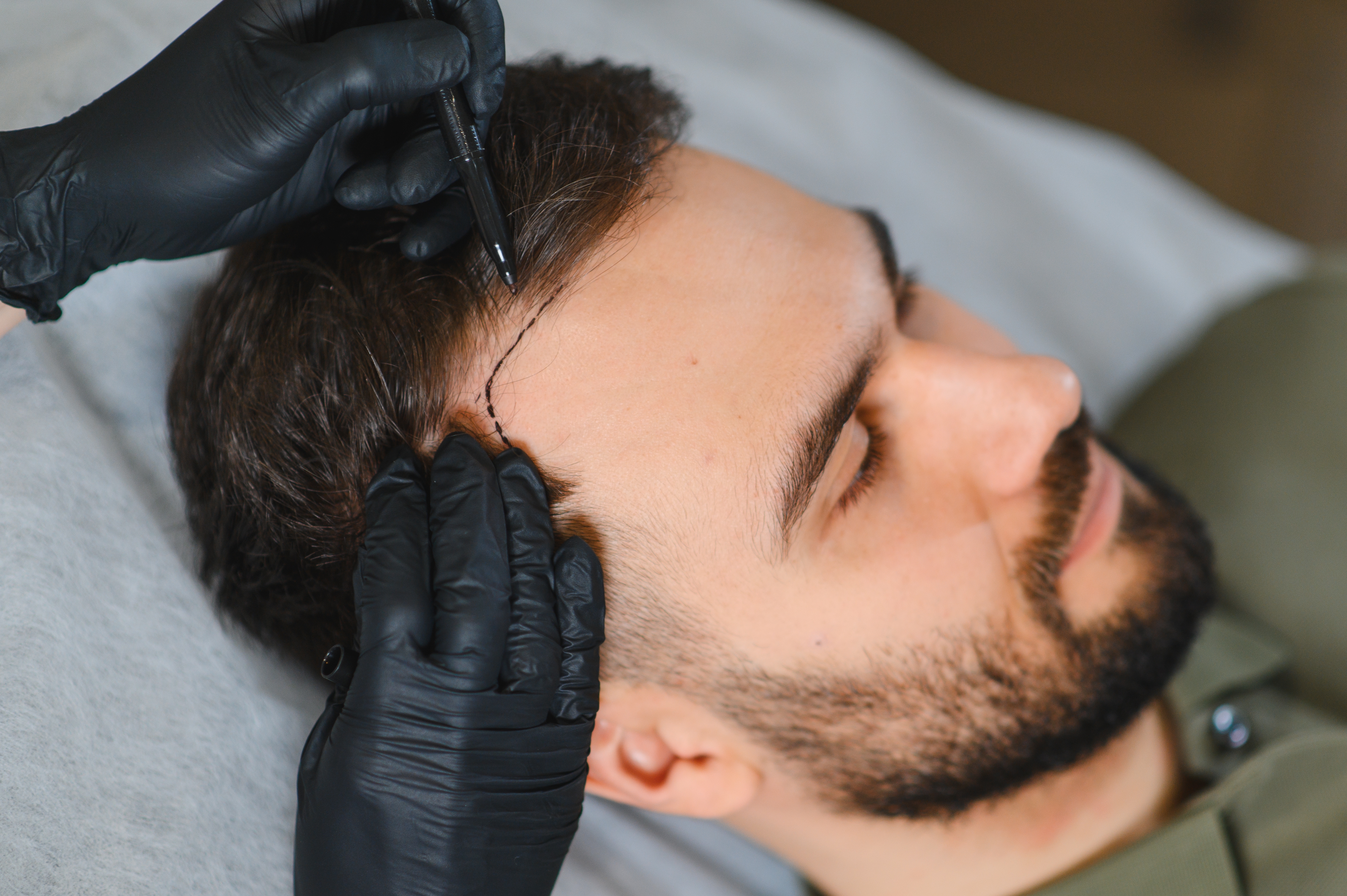
BeforeYour surgeon maps the areas to fill and draws your new beard line.
Anesthesia
StartThe donor and beard areas are numbed.
Removing the Grafts
Main partFollicles are removed from the donor area, which is shaved. Your beard area usually doesn't need shaving.
Placing the Grafts
Main partThe grafts are placed one by one, following the direction your beard grows.
Aftercare Instructions
EndYou get instructions for caring for both areas at home.
Beard Transplant Recovery: What to Expect
Recovery usually involves little pain, bruising, swelling or downtime. Small scabs form in the donor and beard areas, and the transplanted hairs shed before they grow back.
ABROAD · THE FIRST DAYS
First days
Small scabs in the donor and beard areas. Don't press on the grafts.
BACK HOME · WEEKS TO MONTHS
First weeks
The transplanted hairs shed. This is normal.
Months 3 to 4
New beard hairs start growing.
Months 10 to 14
You see the overall result.
Timings are typical, not promised. Your surgeon gives you your own plan.
When Can You Shave After a Beard Transplant?
Your surgeon tells you when you can shave the donor area and when you can shave your beard. Until then, don't press or rub the grafts.
How Long Should You Stay Abroad for a Beard Transplant?
Most patients stay 3 days: a consultation, the transplant, and a check at the clinic before flying home.
3days
Most patients stay abroad this long.
Local
anesthesia, so you're awake.
Same day
You go back to your hotel after the transplant.
A Typical 3-Day Plan
DAY 1
Arrive
Hotel, consultation at the clinic.
DAY 2
Transplant
Beard design, then the transplant. Back to the hotel.
DAY 3
Check-up
Check-up at the clinic, aftercare instructions, then fly home.
Flight times and entry rules depend on the country you choose. See the travel notes for each country in the comparison above, and check the entry requirements for your passport before you book.
Back Home: Follow-Up
Before you leave, ask the clinic for your surgical report with your graft count.
How to Choose a Beard Transplant Clinic
Choose an experienced surgeon first, then the clinic. Look at their beard results, not only their scalp results.
What to Check
- The clinic's license from the national health authority
- Before-and-after photos of beard transplants, not only scalp transplants
- Who will design your beard line and place your grafts
- Your planned graft count and the areas you'll fill, in writing
- Everything the price includes
Questions to Ask Your Coordinator
- How many grafts do you plan for my beard, and for which areas?
- Will the donor hair come from my head or from under my jaw?
- How will follow-up work once I'm home?
- Has this clinic been verified, and when?
Beard Transplant: Frequently Asked Questions
Can I have a mustache transplant only?
Yes. A beard transplant can fill one area, such as the mustache, or several. Your surgeon plans the grafts for the areas you want.
Will it look natural with my hair texture?
It depends on your hair. Hair from the scalp is usually thick enough for a beard, and darker, thicker hair tends to give a fuller look. Your surgeon can tell you what to expect for your hair.
Will the scars show?
Scarring in the donor area is rarely noticeable. In the beard area, the main risks are small bumps around the grafts or darker skin, which your surgeon can explain before you book.
Our Sources
Everything You Need to Know About a Beard Transplant
International Society of Hair Restoration Surgery · ishrs.org
Beard and Mustache Transplant
International Society of Hair Restoration Surgery · ishrs.org