DENTAL · RESTORATIVE
Dental Implants
Also known as: tooth implants
A dental implant replaces a missing tooth with a small post in your jawbone that holds a crown. Most patients need two trips: one to place the implant and one, 3 to 6 months later, for the final tooth.
- AnesthesiaLocal
- Trips2
- First trip4 to 7 days
- Second trip3 to 5 days
- Time between trips3 to 6 months
Are Dental Implants Safe?
They can be, when a licensed dentist plans and places them in a licensed clinic. Implants are placed in a surgical procedure, and like any surgery they carry risks. Your general health also affects how well an implant heals.
Possible Risks
- Infection in the gum and bone around the implant, which can make it loose
- Nerve damage, which can cause numbness
- Sinus problems, when implants are placed in the upper jaw
- Implant failure, when the implant becomes loose or is lost and may need another surgery
- Swelling, bruising and discomfort in the first days
Warning Signs After You Get Home
Contact your clinic and your coordinator if you notice:
- Your implant feels loose
- Bleeding that doesn't stop after pressing on the area for 30 minutes
- Signs of infection in the gum around the implant
Who Is a Good Candidate for Dental Implants?
You may be a good candidate if you're missing one or more teeth and have enough healthy bone in your jaw to hold an implant. Your health matters more than your age.
Good Candidates
You have enough healthy jawbone, or you can have a bone graft.
Your general health is good.
Conditions such as diabetes are under control. Chronic illnesses can slow healing, and uncontrolled diabetes raises the risk of infection.
You don't smoke, or you can stop. Smoking slows healing and lowers the chance that an implant lasts.
Do You Need a Bone Graft?
If your jawbone isn't thick or tall enough, your dentist may first place a bone graft to build it up. A graft adds healing time before the implant, and sometimes an extra trip. Your dentist tells you after examining your scans.
Your dentist makes the final decision after examining you and your X-rays or scans.
Dental Implant Options
Implants can replace one tooth, several teeth or a full arch. Your dentist recommends an option based on how many teeth are missing and the bone you have.
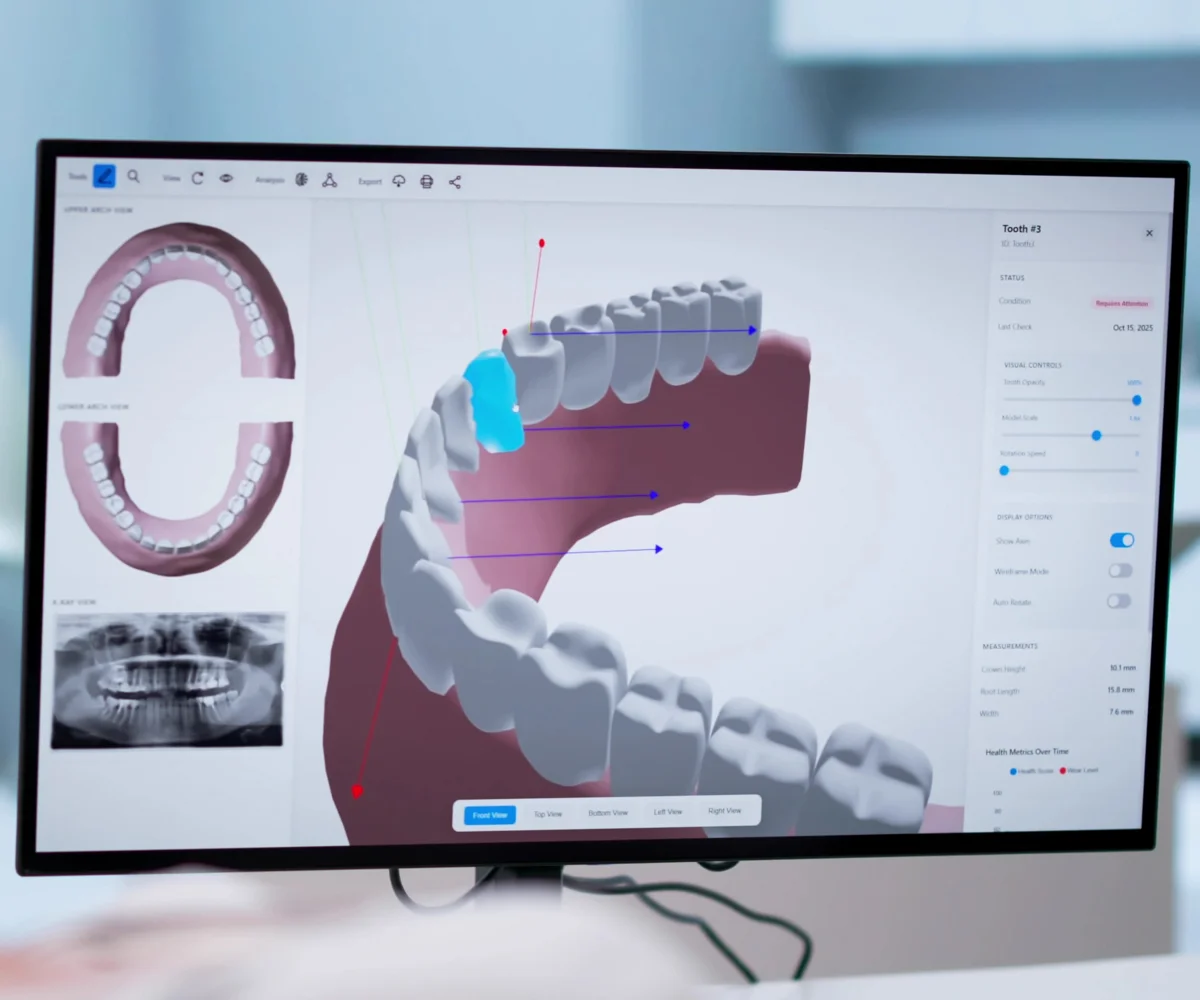
Single Tooth Implant
- How it works
- One implant holds one crown.
- Often used for
- Replacing a single missing tooth.
- What to expect
- The implant goes in on your first trip, the crown on your second.
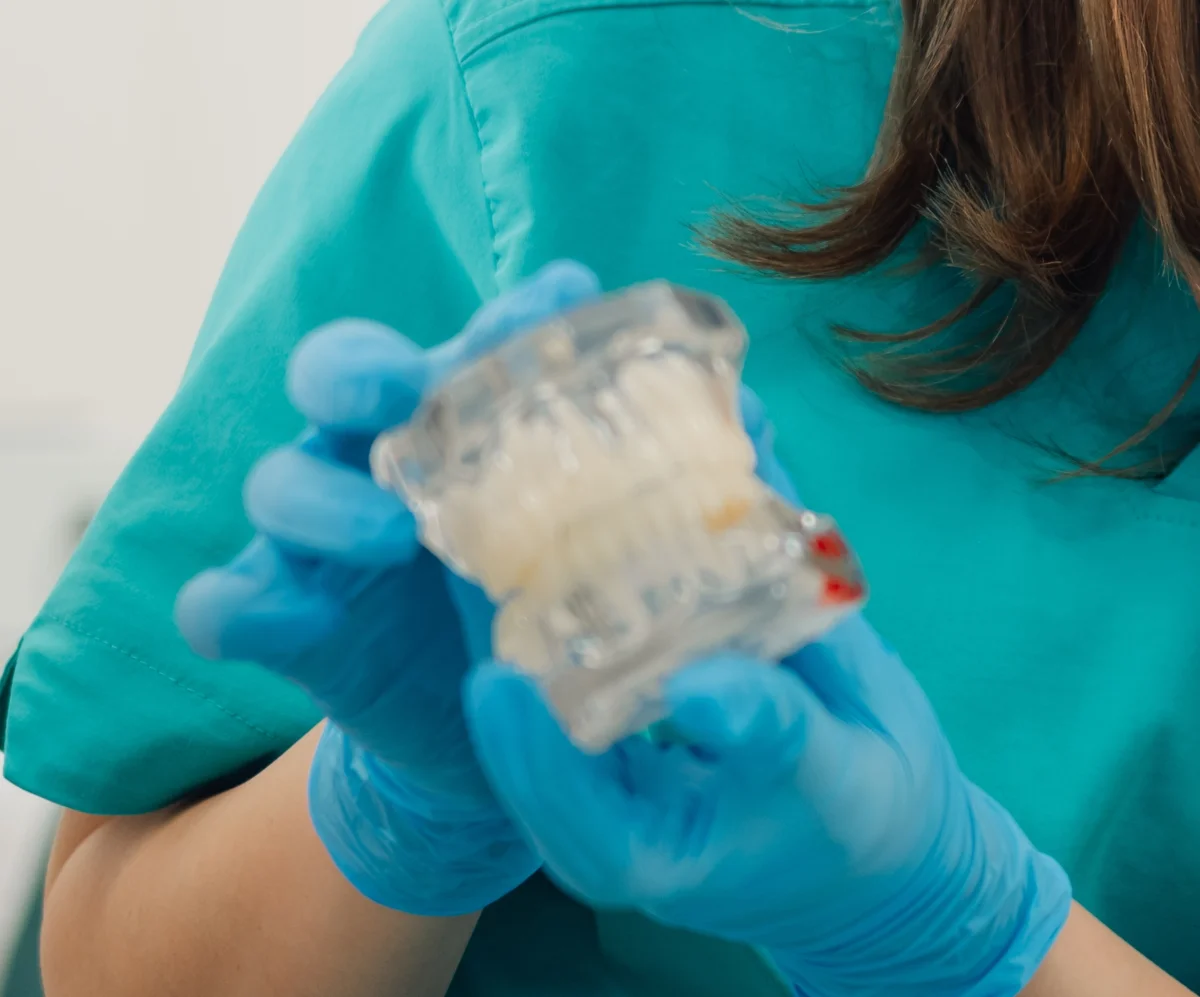
Implant-Supported Bridge
- How it works
- Two or more implants hold a bridge of several teeth.
- Often used for
- Several missing teeth next to each other.
- What to expect
- Uses fewer implants than the number of teeth it replaces.
How Are Dental Implants Placed? Procedure Steps
Implants are placed in stages, over two trips.
Exam and Planning
First tripYour dentist checks your teeth, gums and jawbone and plans where each implant goes.
Anesthesia
First tripThe area is numbed, so you shouldn't feel pain during the procedure.
Placing the Implant
First tripThe implant is placed in your jawbone.
Healing
Between tripsYour jawbone grows around the implant and holds it in place. This takes 3 to 9 months, depending on the person.
Abutment and Final Tooth
Second tripThe abutment is attached, and your final crown, bridge or denture is fitted.
Dental Implant Recovery: What to Expect
The first round of healing takes about a week, and the bone keeps healing around the implant for the next few months.
Do Dental Implants Hurt?
You shouldn't feel pain during the procedure, because the area is numbed. Afterwards, some discomfort is normal and usually lasts up to a week. Your dentist tells you what you can take for it.
How Many Trips Do You Need for Dental Implants?
Most patients need two trips. The first, for the implant, usually takes 4 to 7 days. The second, 3 to 6 months later, takes 3 to 5 days for the final tooth. If you need a bone graft, you may need an extra trip.
2trips
for most patients.
4 to 7days
for the first trip, to place the implant.
3 to 5days
for the second trip, 3 to 6 months later.
A Typical Two-Trip Plan
TRIP 1 · 4 TO 7 DAYS
Implant
Arrival, exam and scans, implant placement, check-up before you fly home.
BETWEEN TRIPS · 3 TO 6 MONTHS
Healing at home
The bone heals around the implant at home.
TRIP 2 · 3 TO 5 DAYS
Final tooth
Abutment, fitting and final crown or bridge, final check.
Flight times and entry rules depend on the country you choose. See the travel notes for each country in the comparison above, and check the entry requirements for your passport before you book.
How to Choose a Dental Implant Clinic
Choose the dentist first, then the clinic. Look for a licensed dentist who examines you and plans your treatment, a clinic with the right authorizations, and a written plan before you pay.
What to Check
- The clinic's license from the national health authority
- Who will place your implants and who will fit your final teeth
- The implant brand and model, in writing
- Whether your price includes the abutment and crown
- Whether you'll need a bone graft, and what it costs
Questions to Ask Your Coordinator
- How many implants do you plan for me, and which option?
- How long will each trip take?
- How will follow-up work between my trips and once I'm home?
- Has this clinic been verified, and when?
Dental Implants: Frequently Asked Questions
Can I get same-day dental implants?
Sometimes. Some patients can have the implants and temporary teeth placed in one visit, if their bone is suitable. The final teeth usually go on after the bone has healed, so most patients still need a second trip. Your dentist decides after examining you.
Implant or bridge: which is better?
It depends on your teeth. A bridge usually means filing down the healthy teeth next to the gap to hold it. An implant replaces the missing tooth on its own, without changing the teeth beside it. Your dentist explains which option suits you.
Dental implants or dentures?
Dentures are removable and can be uncomfortable for some people. Implants are fixed in the jawbone and can also hold a denture in place. Which is right for you depends on your bone, your health and your budget, so ask your dentist.
Why should I ask for my implant brand?
The FDA advises asking your dentist which brand and model of implant system is used and keeping that information for your records. Tell your providers you have implants before an MRI or X-ray.
What can you eat after dental implant surgery?
Your dentist may recommend soft foods, cold foods and warm soup while the area heals. Follow your dentist's advice on when to go back to your usual diet.
Our Sources
Dental Implants: What You Should Know
U.S. Food and Drug Administration · fda.gov
Implants
American Dental Association, MouthHealthy · mouthhealthy.org
Dental Implants: Permanent, Lifelike Tooth Replacements
Cleveland Clinic, 2026 · my.clevelandclinic.org
After having a dental implant
Guy's and St Thomas' NHS Foundation Trust · guysandstthomas.nhs.uk
A Systematic Review of Survival Rates of Osseointegrated Implants in Fully and Partially Edentulous Patients Following Immediate Loading
Journal of Clinical Medicine, 2019 · pmc.ncbi.nlm.nih.gov