PLASTIC SURGERY · FACE & NECK
Rhinoplasty
Also known as: nose job · nose reshaping
Rhinoplasty (a nose job) reshapes the nose to change how it looks, how it breathes, or both. Most patients stay 7 to 10 days, until the splint comes off and they are cleared to fly. A Hollywood Patient Care coordinator helps you compare verified surgeons and plan the trip.

- From$1,240 · 3 countries
- Procedure time2–3 hours
- Hospital stay1 night
- Back to work1–2 weeks
- Time abroad7–10 days
- Fly home afterDay 7–10
Compare Rhinoplasty by Country
Compare prices across countries, then choose a country to see cost, what’s included, travel, quality, aftercare and what to check before booking.
| Procedure type | TurkeyLowest for selected type | MexicoLowest for selected type | ThailandLowest for selected type |
|---|---|---|---|
| Rhinoplasty (all types) | ≈ $3,440 | ≈ $3,600 | ≈ $4,480 |
Turkey has the lowest estimate for Rhinoplasty (all types) ($3,440). Green marks that country's column for the selected type.
About these prices: Estimates, not verified research. Prices are in US dollars. A median is the middle value of one published price per clinic. Ask your coordinator for a binding quote.
How these estimates are made
- Turkey: Median of 18 clinics, automated price check, November 2026
- Mexico: Median of 29 clinics, automated price check, November 2026
- Thailand: Median of 19 clinics, automated price check, November 2026
About these prices: each price is the median of published clinic prices for treatment only (packages vary). The range shows the lowest and highest published price. The green column shows the lowest median for the selected type; it is not a recommendation and does not mean the procedures are identical.
Rhinoplasty Clinics
These hospitals and clinics perform rhinoplasty and are listed on Hollywood Patient Care. Verified clinics have passed our checks.
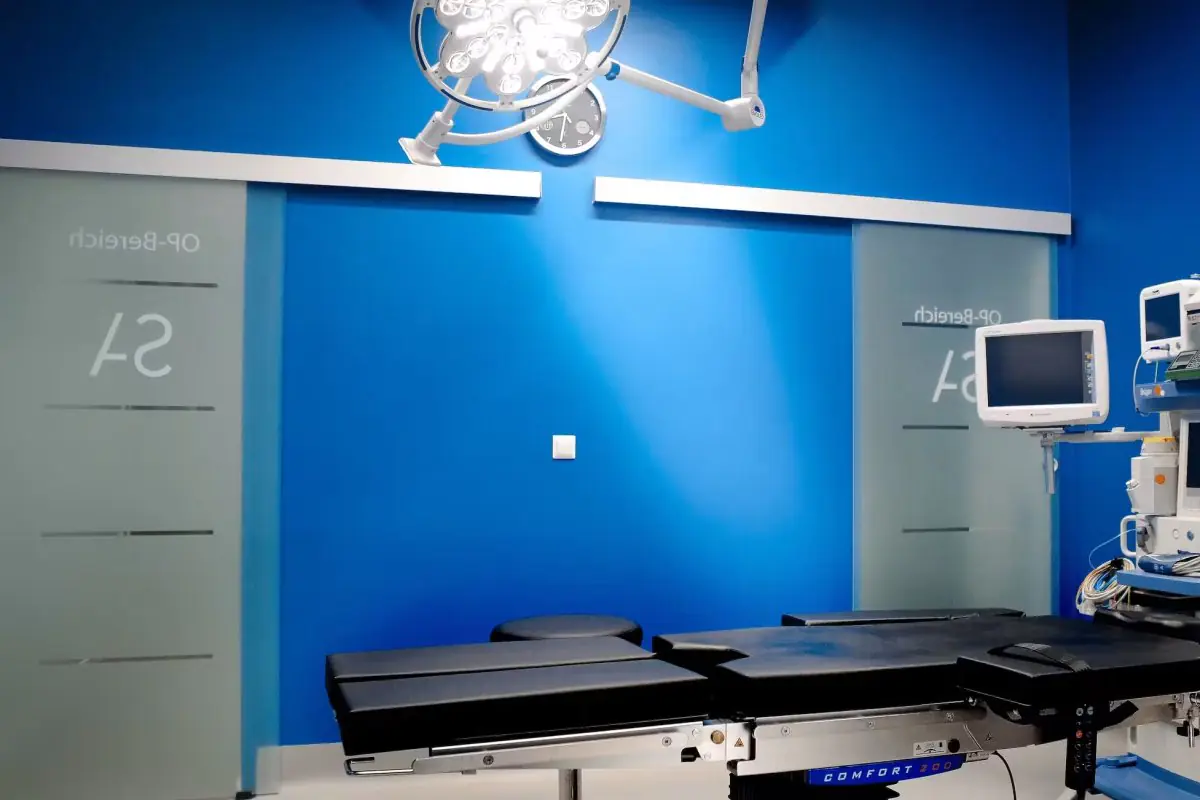
Is Rhinoplasty Safe?
Rhinoplasty is a common, well-studied operation, and serious complications are rare. In a study of 4,978 patients, 0.7% had a major complication. Your safety depends far more on the surgeon, the hospital and your travel plan than on the country.
MAJOR COMPLICATIONS
0.7%
of 4,978 patients had a major complication after aesthetic rhinoplasty. That is about 1 patient in 140.
Each dot is one patient. Source: Aesthetic Surgery Journal, 2017.

Safety Depends on Four Things
Far more than on the country you choose.
The Surgeon
A qualified plastic or facial plastic surgeon who performs rhinoplasty regularly.
The Hospital
Licensed by the country’s health authority.
The Plan
Enough days abroad to have your splint removed and a check-up before you fly.
The Follow-Up
A clear plan for check-ins after you’re back home.
Possible Risks
As with any surgery, rhinoplasty has risks. Your surgeon should explain them before you agree to the operation.
- Bleeding, including nosebleeds in the first days
- Infection
- Difficulty breathing through the nose
- Numbness or changes in feeling around the nose
- A visible scar after open rhinoplasty
- A result you’re not happy with, which may need a second surgery (revision)
- Blood clots, a risk linked to long flights after any surgery
Warning Signs After You Get Home
Contact your surgeon or a local doctor promptly if you have:
- Bleeding that doesn’t stop after 15 minutes of gentle pressure
- A fever over 101°F (38.3°C), or redness, heat or pus around the nose
- Pain or swelling that suddenly gets worse instead of better
IN AN EMERGENCY
Call 911 if you have chest pain, sudden shortness of breath, or a painful, swollen leg. These can be signs of a blood clot.
Who Is a Good Candidate for Rhinoplasty?
You may be a good candidate if your face has finished growing, you are in good general health, you don’t smoke, and you have clear, realistic goals for your nose.
Good Candidates
Your face has finished growing. Surgeons wait until facial growth is complete.
You are healthy overall. Ongoing conditions need to be under control before surgery.
You don’t smoke. Or you can stop for several weeks before and after surgery.
You know what you want to change. Such as a hump, a wide tip, a crooked nose or breathing through one side.
You can be patient. A clear change shows in about a week; the final shape takes around a year.
It May Be Better to Wait
An active sinus infection. Surgery is safer once it has cleared.
Recent nose surgery. Wait until the swelling has settled.
Hoping surgery will solve something beyond the shape of your nose. Talk it through with your surgeon first.
Rhinoplasty Techniques: Which One Fits Your Nose?
There is no single best technique. Your surgeon chooses based on how much needs to change, whether you’ve had nose surgery before, and the shape of your bone and cartilage. A 2022 review of 20 studies found no clear overall advantage of open over closed rhinoplasty.

Open Rhinoplasty
- How it works
- A small cut across the skin between the nostrils gives the surgeon a full view of the cartilage, which helps with detailed tip work and complex cases.
- Often used for
- Larger changes, tip work, revisions
- What to expect
- A thin scar under the nose that usually fades. Tip swelling can last longer.

Preservation Rhinoplasty
- How it works
- Lowers a hump by repositioning the bridge instead of removing it, so the bridge keeps its natural structure.
- Often used for
- Some humps with a suitable bony base
- What to expect
- Not right for every nose. Your surgeon decides whether your anatomy suits it.

Ultrasonic Rhinoplasty
- How it works
- Shapes bone with an ultrasonic (piezo) tool instead of chisels, while protecting the soft tissue around it.
- Often used for
- Precise bone reshaping
- What to expect
- A 2024 analysis of 12 trials found less swelling, bruising and pain in the early days.
How Is Rhinoplasty Performed? Procedure Steps
Rhinoplasty usually takes 2 to 3 hours under general anesthesia, and most patients spend one night in the hospital. Revisions and combined breathing surgery can take longer.
Anesthesia
StartYou are given general anesthesia, so you sleep through the operation. An anesthesiologist monitors you from start to finish.
The Incision
StartIn closed rhinoplasty, all cuts are inside the nostrils. In open rhinoplasty, there is also a small cut across the skin between the nostrils.
Reshaping Bone and Cartilage
Main partThe surgeon lowers or smooths a hump, narrows the bones if needed, and shapes the tip cartilage. Small cartilage grafts, usually from the septum, can add support.
Correcting the Septum, If Needed
Main partIf a bent septum blocks your breathing, the surgeon straightens it in the same operation. This combination is called septorhinoplasty.
Closing and the Splint
EndThe cuts are closed with fine stitches and a splint is placed on the outside of the nose. Some surgeons also use soft internal splints for a day or two.
Waking Up and the First Night
Day of surgeryYou wake up in the recovery room and spend the night in the hospital with your head raised. The next day, you go to your hotel with medication and written instructions.
Rhinoplasty Recovery: What to Expect Day by Day
Most people go back to work in 1 to 2 weeks. The splint comes off at about one week, most bruising fades within the first 2 weeks, and the final shape can take about a year to settle.
ABROAD · WITH YOUR SURGEON · FIRST WEEK
Day 1
Night in the hospital. Your nose feels blocked and your face is puffy. Keep your head raised.
Days 2–3
Back at the hotel. Swelling and bruising around the eyes usually peak, then start to fade.
Day 7
The splint and stitches come off at your check-up. Most patients are cleared to fly between day 7 and day 10.
BACK HOME · WEEKS TO MONTHS
Week 2
Most bruising has faded. Many people return to desk work.
Week 6
Usually cleared for exercise. Avoid anything that could hit your nose.
Month 3
Most swelling is gone. The tip keeps refining.
Month 12
The final shape has settled for most people. Some tips take longer.
Timings are typical, not promised. Your surgeon gives you your own plan.

Does Rhinoplasty Hurt?
Most people describe pressure and a blocked nose rather than sharp pain. Discomfort is usually managed with prescribed medicine and eases within the first few days.
Do
- Sleep with your head raised for the first week
- Use cold compresses on your cheeks and eyes, not on the nose
- Take your medication exactly as prescribed
- Go to your splint-removal check-up before you fly
- Walk a little every day
Don’t
- Don’t blow your nose until your surgeon says it’s safe
- Don’t bend over or lift heavy things in the first week
- No heavy exercise for at least 6 weeks
- Don’t rest glasses on your nose until your surgeon allows it
- Don’t smoke, and protect your nose from the sun
How Long Should You Stay Abroad for Rhinoplasty?
Plan to stay 7 to 10 days. The American Society of Plastic Surgeons advises waiting 7 to 10 days after facial cosmetic surgery before flying, and your splint usually comes off around day 7, when your surgeon can check you before you travel.
7–10days
Plan to stay abroad until your surgeon clears you to fly.
1night
in the hospital after surgery.
Day 7
Splint and stitches come off at your check-up.
A Typical 7-Day Plan
DAY 1
Arrive
Transfer to your hotel, consultation with your surgeon, pre-op tests.
DAY 2
Surgery
One night in the hospital.
DAY 3
Back to your hotel
Rest with your head raised.
DAYS 4–6
Rest and check-up
Short walks, a check-up at the clinic. Your coordinator checks in every day.
DAY 7
Final check-up
Splint and stitches removed. Most patients are cleared to fly from now until day 10.
Many patients add 1 to 3 extra days as a buffer before the flight home.
When Can You Fly Home?
Usually between day 7 and day 10, after the splint is removed and your surgeon confirms you’re fit to fly.
Flight times and entry rules depend on the country you choose. See the travel notes for each country in the comparison above, and check the entry requirements for your passport before you book.
- Get up and walk every hour or two.
- Drink plenty of water.
- Consider compression socks to lower the risk of blood clots.
- A more blocked nose is normal: cabin pressure causes it, and it passes.
Back Home: Follow-Up and Revisions
You don’t go home alone with your questions. Your coordinator stays in touch after you return, sets up video check-ins with your surgeon at 1, 3, 6 and 12 months, and helps you send progress photos. If you need an in-person exam, we help you find a doctor near you.
If you and your surgeon decide a revision is needed, it’s usually planned once the swelling has settled. Before you book, your coordinator makes sure you know the clinic’s revision policy, in writing.
What Is Revision Rhinoplasty, and When Is It Done?
Revision rhinoplasty, also called secondary rhinoplasty, corrects or improves an earlier nose surgery. It can change how your nose looks, how you breathe, or both. Surgeons usually wait about a year after the first surgery, until the swelling has settled and the scar tissue has matured.
How It Differs from a First Rhinoplasty
- Scar tissue: Your surgeon works with scar tissue and the changes made in the first surgery, which can limit what a revision can achieve.
- Cartilage: The septum may have been used already, so cartilage for grafts can come from the ear or, occasionally, the rib.
- Recovery: The operation can take longer, and so can recovery. The stages are the same as above.
It may be better to wait if the swelling from your first surgery hasn't settled yet, or you hope surgery will solve something beyond the shape of your nose.
Choose a surgeon who performs revisions regularly and can show you results on noses like yours, and ask what's realistic for you before you book.
How to Choose a Rhinoplasty Surgeon
Choose the surgeon, not the package price. Look for a qualified plastic or facial plastic surgeon who performs rhinoplasty often, can show results on noses like yours, and operates in a licensed hospital.
What to Check
- Specialty training and board certification in plastic surgery or ENT (facial plastic) surgery
- How many rhinoplasties the surgeon performs each year
- Before-and-after photos of noses similar to yours
- The facility’s license from the national health authority
- Who performs each part of your surgery
- A written plan for follow-up and for revisions
- A consultation with the surgeon, not only with a sales team, before you book
Questions to Ask Your Coordinator
- Who will perform my surgery from start to finish?
- Which technique do you recommend for my nose, and why?
- What exactly is included in my quote?
- How will follow-up work once I’m home?
- What happens if I need a revision?
- Has this clinic been verified, and when?
Rhinoplasty: Frequently Asked Questions
Why does rhinoplasty cost less in some countries?
Running costs, wages and living costs differ from country to country, and some hospitals treat a large number of international patients. A lower price doesn’t mean lower standards, but it doesn’t guarantee them either. Check the surgeon and the hospital, not just the price.
Does the price include flights?
No. What the price includes varies by clinic. Your written quote lists exactly what’s covered; flights are usually paid separately, along with travel insurance and any extra hotel nights.
Who will actually perform my surgery?
The surgeon you meet should be the surgeon who operates on you. Ask for their name in writing. Your coordinator confirms who will perform your surgery before you book.
What if I need a revision?
A revision is usually planned only after the swelling has settled, which can take about a year. Clinic policies differ: some cover part of the cost within a set period. Ask for the policy in writing before you book.
Can rhinoplasty fix breathing problems too?
Often, yes. If a bent septum or narrow airway blocks your breathing, the surgeon can correct it in the same operation. This is called septorhinoplasty. Your surgeon will check your breathing at the consultation.
How old do you need to be?
Your face needs to have finished growing, which for most people means the late teens. There is no upper age limit for healthy adults.
Can I travel alone?
Many patients do. Your coordinator arranges your transfers, and you spend the first night in the hospital. If you can, bring a companion for the first few days at the hotel.
Our Sources
Rhinoplasty (candidates, recovery, safety)
American Society of Plastic Surgeons · plasticsurgery.org
What to expect from your rhinoplasty recovery
American Society of Plastic Surgeons, 2022 · plasticsurgery.org
Briefing Paper: Cosmetic Surgery Tourism
American Society of Plastic Surgeons · plasticsurgery.org
Functional Rhinoplasty
American Academy of Facial Plastic and Reconstructive Surgery · aafprs.org
Nasal Cosmetic Surgery
American Academy of Facial Plastic and Reconstructive Surgery · aafprs.org
Understanding revision rhinoplasty and why patients seek out this procedure
American Society of Plastic Surgeons, 2019 · plasticsurgery.org
Cosmetic Nose Surgery (Rhinoplasty)
Cleveland Clinic · my.clevelandclinic.org
Medical Tourism
Centers for Disease Control and Prevention, 2023 · cdc.gov
Cosmetic surgery abroad
NHS, 2022 · nhs.uk
Outcomes of Closed versus Open Rhinoplasty: A Systematic Review
Archives of Plastic Surgery, 2022 · pmc.ncbi.nlm.nih.gov
Is Piezosurgery Associated with Improved Patient Outcomes Compared to Conventional Osteotomy in Rhinoplasty? A Systematic Review and Meta-Analysis of RCTs
Journal of Clinical Medicine, 2024 · pmc.ncbi.nlm.nih.gov
Incidence and Preoperative Risk Factors for Major Complications in Aesthetic Rhinoplasty: Analysis of 4978 Patients
Aesthetic Surgery Journal, 2017 · academic.oup.com
Revision Rhinoplasty: With Introduction of a Novel Preoperative Assessment Classification System
Seminars in Plastic Surgery, 2021 · pmc.ncbi.nlm.nih.gov
Primary and Revision Rhinoplasty: A Single Surgeon Experience and Patient Satisfaction
Plastic and Reconstructive Surgery Global Open, 2021 · pmc.ncbi.nlm.nih.gov