Hair Restoration · Concern
Hair Loss: Causes and Treatment Options
Hair loss is common and has many causes. The most common is hereditary hair loss, which thins hair gradually over the years. Other types, such as shedding after stress or illness, are often temporary. Finding the cause comes first. It decides whether your hair can grow back, and which treatment, if any, fits you.
How Much Hair Loss Is Normal?
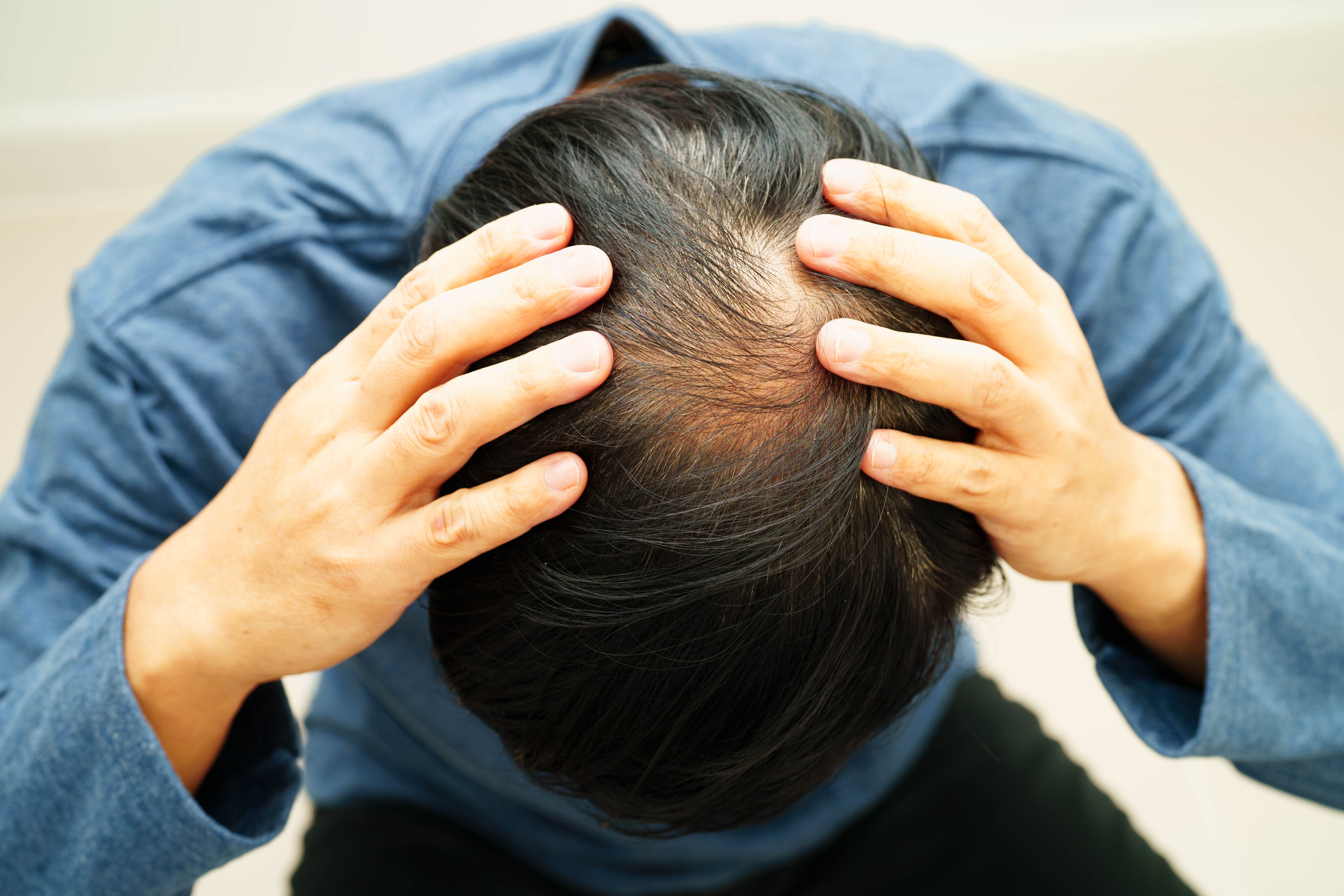
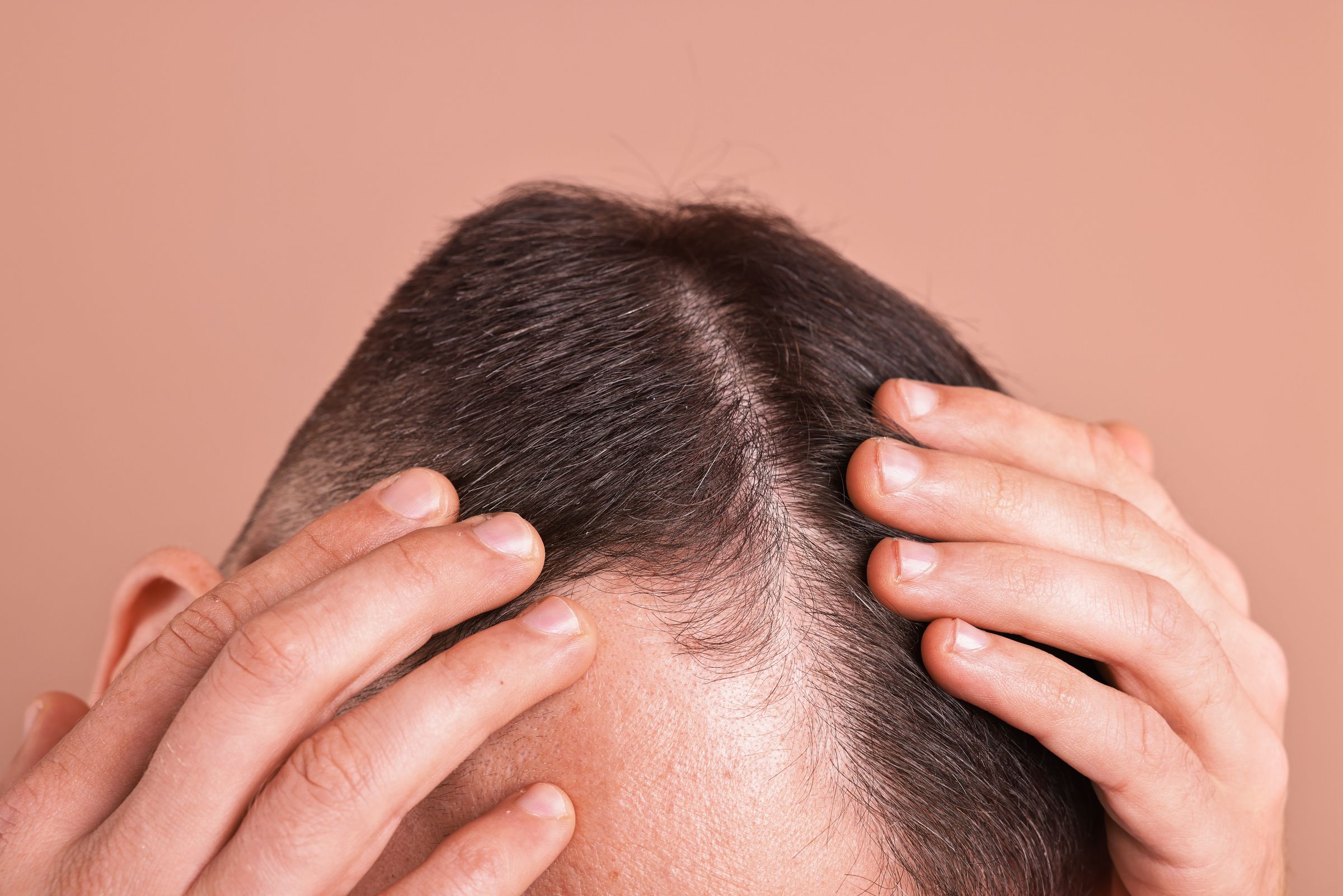
Losing 50 to 100 hairs a day is normal. Hair grows in cycles, and old hairs fall out so new ones can grow in. It may be worth paying attention if you notice much more hair than usual on your pillow or in the shower, a widening part, a receding hairline or bald patches.
Doctors separate two things. Hair shedding means more hairs fall out than usual, but they grow back. Hair loss means something stops hair from growing, and it won’t regrow until the cause is treated.
Types of Hair Loss
Hair loss falls into a few main types. Some are permanent and slowly get worse; others are temporary.
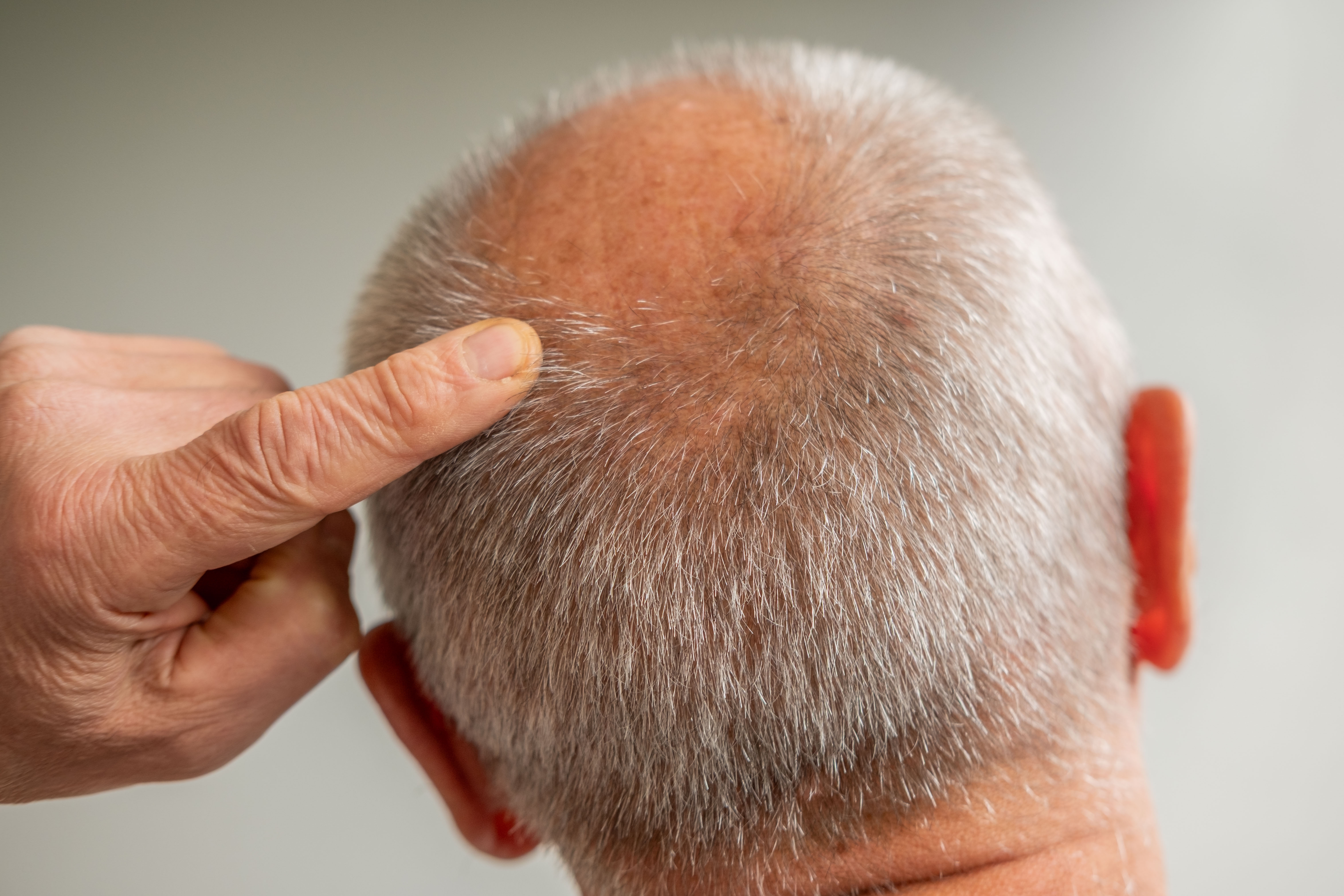
Thinning hair with a bald spot on the crown is most often a sign of hereditary hair loss. A sudden, round bald patch is more typical of alopecia areata.
Hair Loss Stages: The Norwood and Ludwig Scales
Doctors describe hereditary hair loss in stages. Your stage helps a doctor judge which treatments, including a hair transplant, may be suitable.
Men: The Norwood Scale
The Norwood scale has 7 stages, from a slight change in the hairline (stage 1) to hair left only on the sides and back of the head (stage 7).
Women: The Ludwig Scale
The Ludwig scale has 3 stages of thinning on the top of the head. In women, the part often widens, and total baldness is rare.
What Causes Hair Loss?
Genes are the most common cause of hair loss worldwide. Other common causes include:
- 01
Stress, illness, surgery or childbirth, which can trigger heavy shedding a few months later
- 02
Hormone changes, such as thyroid disease, polycystic ovary syndrome (PCOS) or stopping birth control pills
- 03
Low levels of iron, protein, zinc or biotin
- 04
Some medications and cancer treatment
- 05
Autoimmune conditions, such as alopecia areata
- 06
Tight hairstyles and harsh hair treatments, such as relaxing or perming
- 07
Scalp infections and skin conditions, such as scalp psoriasis
Can Hair Loss Be Reversed?
Hair loss can often be reversed when the cause is temporary, such as stress, illness, childbirth or low iron. Hereditary hair loss, scarring alopecia and long-term traction alopecia usually can’t reverse on their own, because the hair follicles shrink or are destroyed. With hereditary hair loss, treatment tends to work better the earlier it starts.
When to See a Doctor About Hair Loss
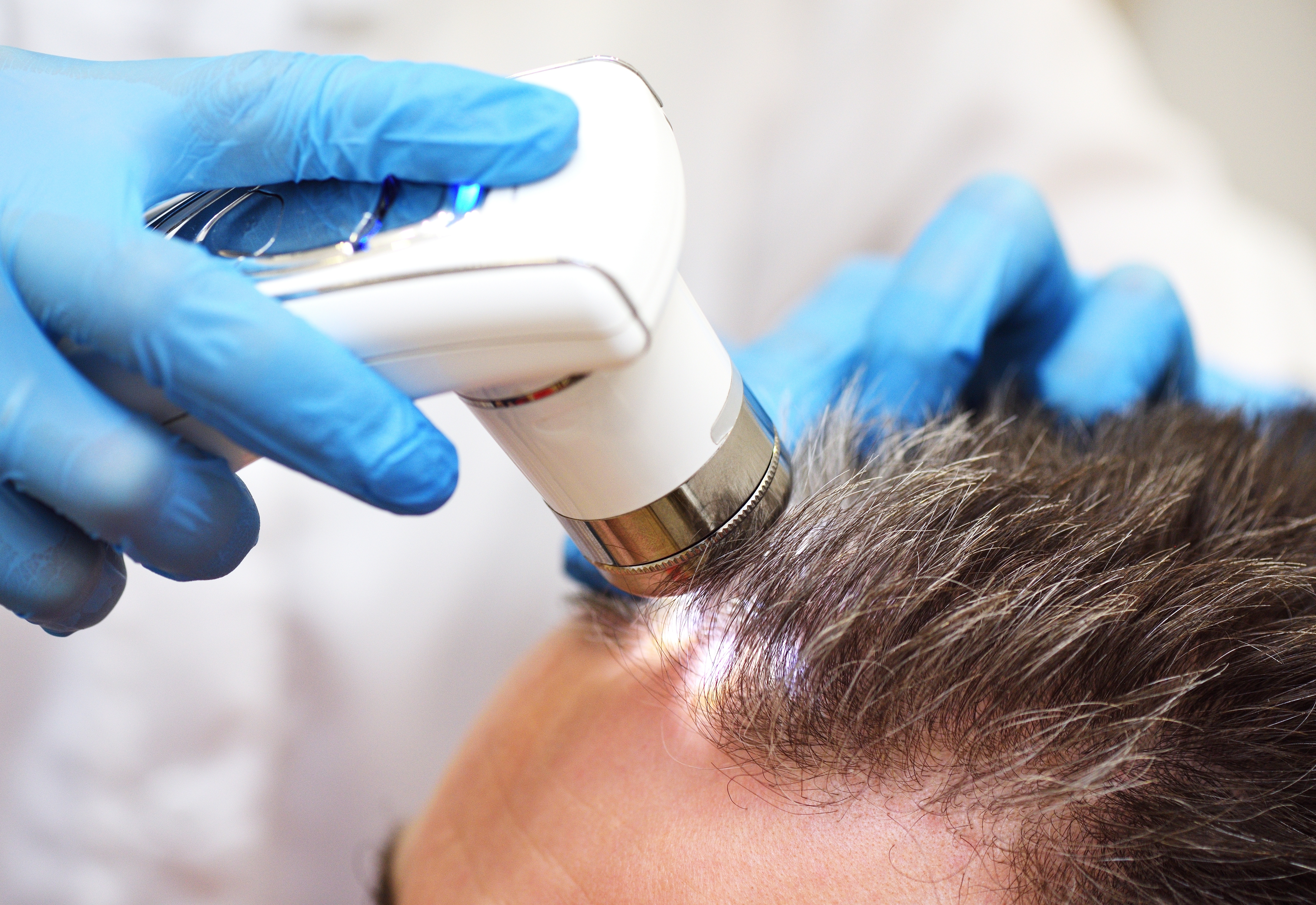
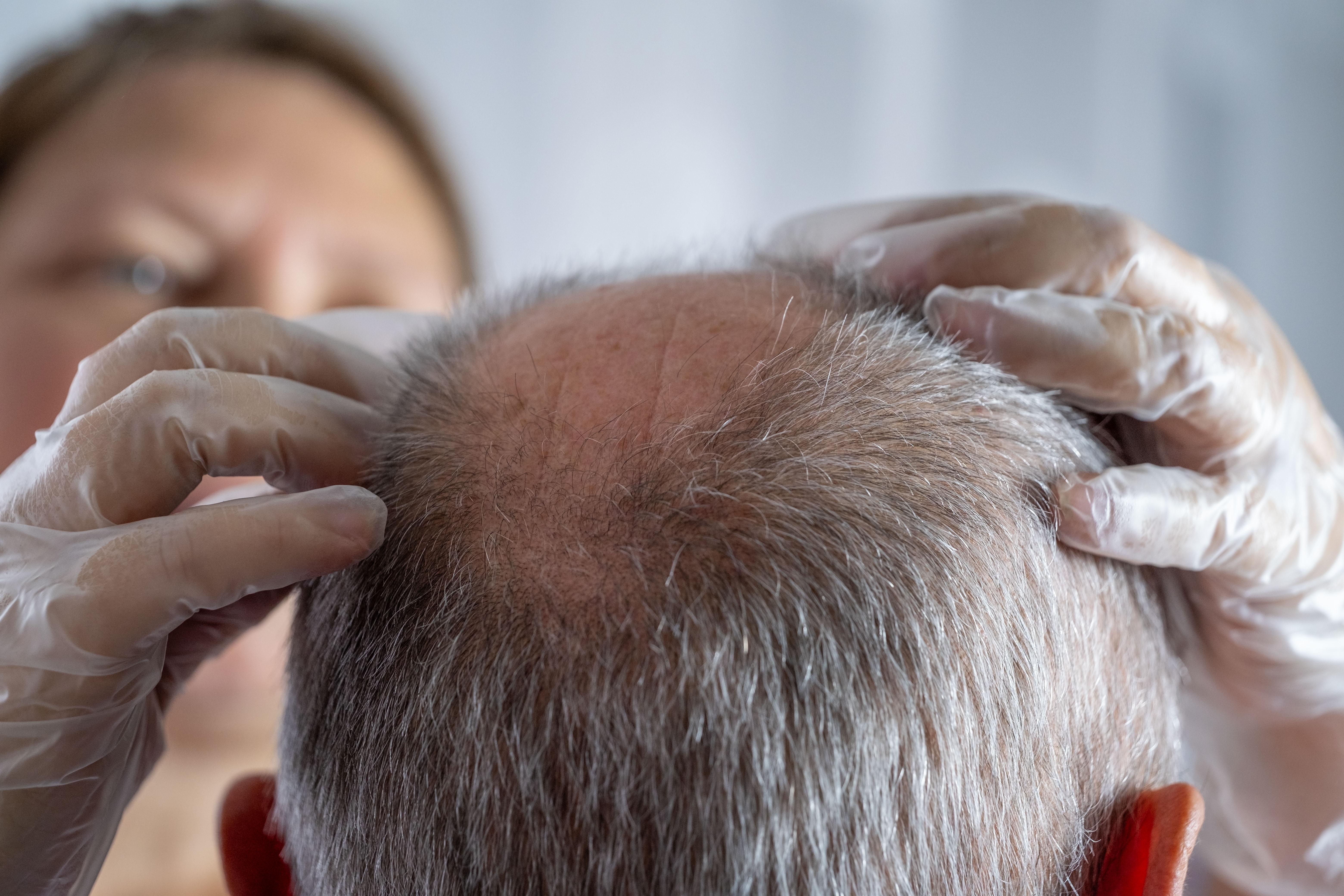
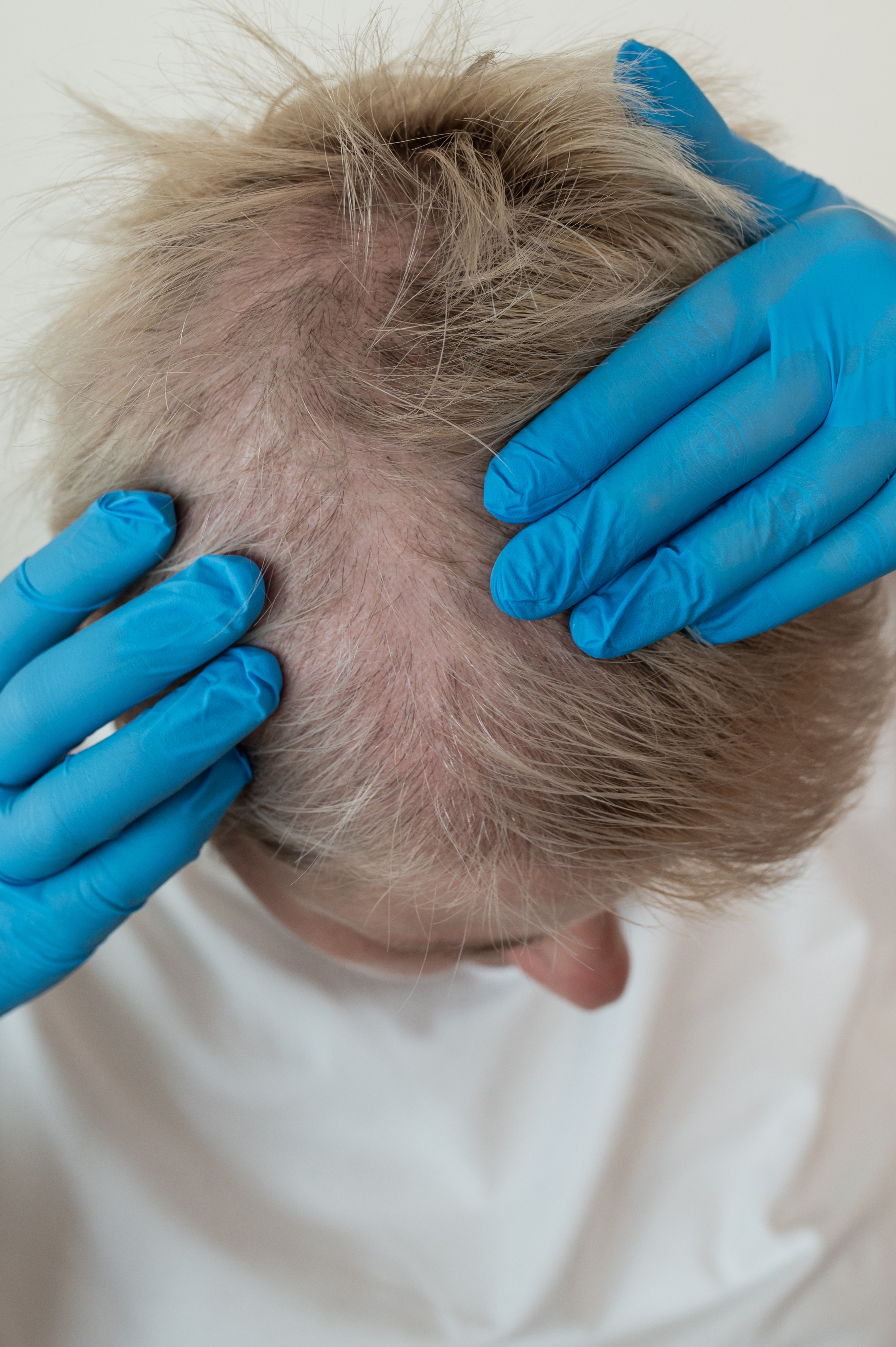
See a doctor, ideally a dermatologist, if any of these sounds familiar.
Do any of these sound like you?
Our coordinators reply within 24 hours.
0/5
How to Approach Hair Loss: Treatment Options
The right approach depends on the cause, so a diagnosis comes first. If a health issue such as thyroid disease or low iron is behind your hair loss, treating it often lets hair regrow.
Medication
For hereditary hair loss, a dermatologist may recommend medication, such as minoxidil applied to the scalp, or finasteride, a pill for men only. Medication is not right for everyone, so a dermatologist decides what fits you.
Hollywood Patient Care coordinates hair transplant care. We do not prescribe or sell medication.
Based on our research of published clinic prices, checked October 2026. Your coordinator gives you a personal quote.
Hair Restoration
Hair Transplant
Hair surgery
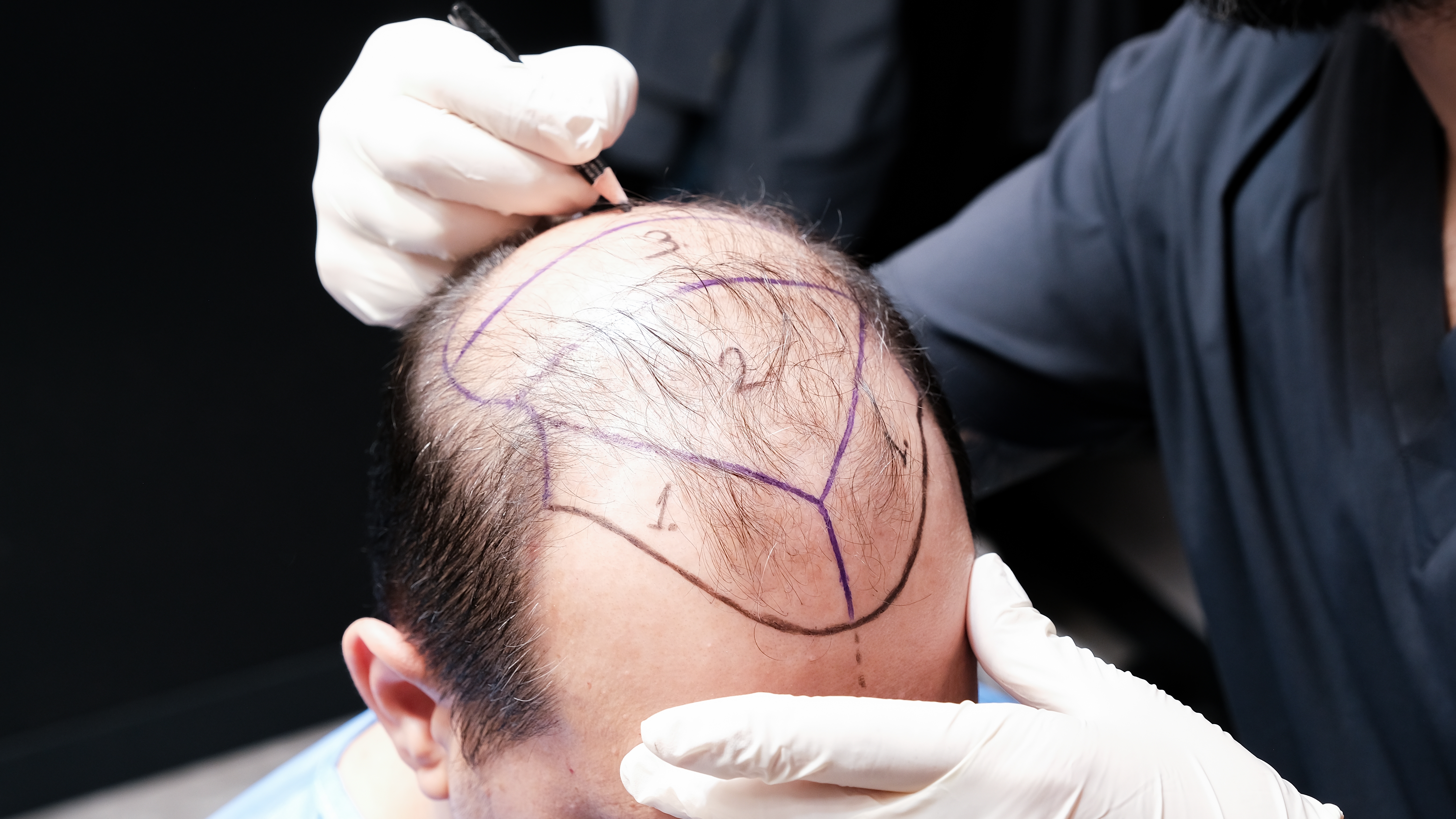
Moves your own hair follicles to areas that are thinning or bald.
Time abroad
2 to 3 days
When it may fit: For hereditary hair loss with a stable pattern, such as a receding hairline or thinning crown, and enough donor hair.
Hair Transplant Doctors
These doctors perform hair transplants. Each profile shows their training, the procedures they perform and where they work.

Hair Transplant Clinics
These hospitals and clinics perform hair transplants and are listed on Hollywood Patient Care. Verified clinics have passed our checks. How we verify
Hair Loss: Frequently Asked Questions
Does stress cause hair loss?
Yes. High stress, illness, surgery or giving birth can push many hairs into the shedding phase at once. Most people notice heavy shedding a few months later. This is called telogen effluvium, and it's usually temporary. Hair tends to return to its normal fullness within 6 to 9 months.
Is baldness genetic?
Often, yes. Hereditary hair loss is the most common cause of hair loss worldwide, and it tends to run in families. Having a close relative with pattern hair loss raises your risk. In men it usually shows up as a receding hairline and thinning crown. In women it shows up as thinning along the part.
What are the first signs of balding?
Early signs include a hairline that moves back at the temples, thinning on the crown, a wider part, more scalp showing in bright light, and more hairs than usual on your pillow or in the shower. A doctor can tell you which type of hair loss you have.
At what age does hair loss start?
Hereditary hair loss can start as early as the teens, and the risk grows with age. In women, it's most likely after menopause. It usually progresses slowly over years, so it helps to see a doctor when you first notice thinning.
Can a hair transplant stop hair loss?
No. A transplant moves hair to thinning areas, but it doesn't stop hereditary hair loss from continuing around it. That's why surgeons look at your age, your hair loss pattern and your donor hair before surgery. Some also recommend medical treatment alongside a transplant.
Guides About Hair Transplants

FUE vs DHI: Which Hair Transplant Method Fits You?
How FUE and DHI differ, what research shows and what matters more than the method you choose.
Written by Bilal Hasdemir · Published 11 Nov 2026 · 5 min read

How to Choose a Hair Transplant Clinic: Credentials, Questions and Red Flags
How to check a doctor's credentials, what a good assessment looks like and the questions to ask before you book.
Written by Bilal Hasdemir · Published 11 Nov 2026 · 6 min read
Sources
Do you have hair loss or hair shedding?
American Academy of Dermatology · aad.org
Hair loss: Who gets and causes
American Academy of Dermatology · aad.org
Types of hair loss
American Academy of Dermatology · aad.org
Thinning hair and hair loss: Could it be female pattern hair loss?
American Academy of Dermatology · aad.org
Hair loss
NHS · nhs.uk
Androgenetic alopecia
MedlinePlus Genetics, U.S. National Library of Medicine · medlineplus.gov
Hair Transplantation
StatPearls, NCBI Bookshelf · ncbi.nlm.nih.gov