Dental · Concern
Missing Teeth: Causes and Treatment Options
Teeth can be lost to gum disease, tooth decay or an injury. A gap can make chewing and speaking harder, and nearby teeth can shift and the jawbone can shrink. Missing teeth can be replaced with a dental implant, a bridge or dentures, and a dentist helps you choose.

Why Teeth Are Lost
Adults can lose teeth because of:
- Gum disease: An infection of the tissues that hold the teeth in place, caused by plaque that builds up on the teeth. If it is not treated, it can spread to the bone that supports the teeth, and in the most serious cases, teeth may become loose or need to be removed.
- Tooth decay
- An injury
People who smoke or used to smoke tend to have fewer of their own teeth left.
How Common Is Tooth Loss?
Tooth loss in adults has decreased since the early 1970s. These are averages for adults in the United States.
What Happens If a Missing Tooth Is Not Replaced?
Nearby teeth can shift into the gap. The jawbone where the tooth used to be gradually shrinks, which can give the face a sunken look. A gap can also make it harder to chew and speak, and some people feel self-conscious about how it looks.
When to See a Dentist
A dentist can check your teeth and gums and talk you through your options. Make an appointment if any of these sounds familiar:
Do any of these sound like you?

Our coordinators reply within 24 hours.
0/5
Treatment Options for Missing Teeth
Which option fits depends on how many teeth are missing, the health of your other teeth and your jawbone, and your dentist helps you decide.
Based on our research of published clinic prices, checked October 2026. Your coordinator gives you a personal quote.
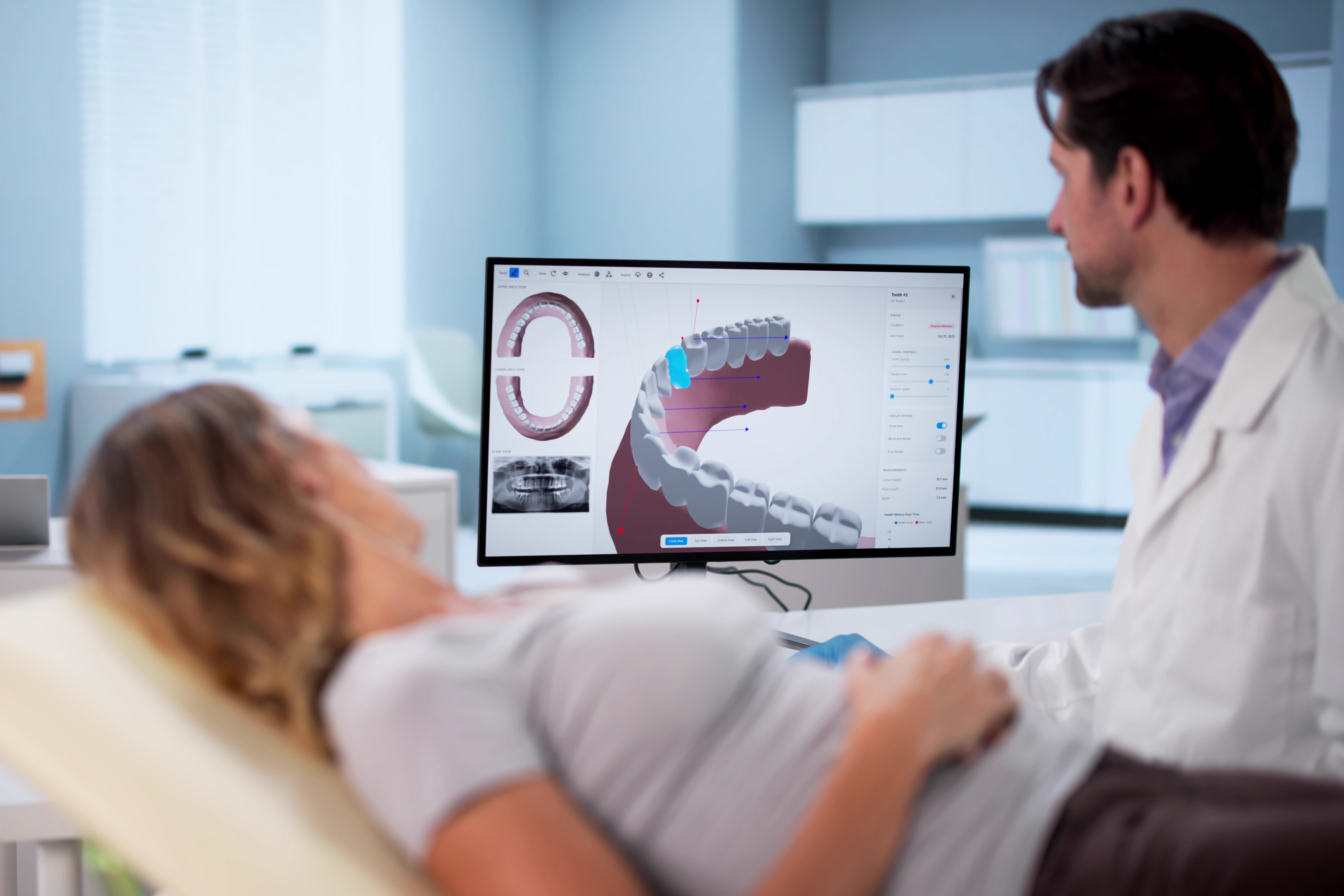
Dental
Dental Implants
Tooth implants
Replaces a missing tooth with a small post in your jawbone that holds a crown.
Time abroad
4 to 7 days, then 3 to 5 days
When it may fit: For one or more missing teeth, when there is enough healthy jawbone to hold the implant.
Missing Teeth: Frequently Asked Questions
How should I care for dentures?
Brush them every morning and evening, and rinse them after meals. Take them out at night, unless your dentist advises otherwise, and keep them in water. Do not clean them with toothpaste, which can damage them.
Can I get dentures right after teeth are removed?
Yes. Immediate dentures can be fitted on the same day the teeth are removed, so you are not without teeth while you heal. As your mouth heals and changes shape, they often need to be adjusted or replaced within about a year.
How long do dentures last?
With good care, dentures last on average 7 to 10 years. Regular dental checkups help make sure they still fit well.
Sources
Tooth Loss in Adults (Age 20 to 64)
National Institute of Dental and Craniofacial Research · nidcr.nih.gov
Tooth Loss in Seniors (Age 65 and Over)
National Institute of Dental and Craniofacial Research · nidcr.nih.gov
Periodontal (Gum) Disease
National Institute of Dental and Craniofacial Research · nidcr.nih.gov
Dentures
American Dental Association, MouthHealthy · mouthhealthy.org
Bridges
American Dental Association, MouthHealthy · mouthhealthy.org
Dentures
NHS · nhs.uk
Dental Implants
Cleveland Clinic · my.clevelandclinic.org
Dental Bridges
Cleveland Clinic · my.clevelandclinic.org
Dentures
Cleveland Clinic · my.clevelandclinic.org