Dental · Concern
Stained Teeth: Causes and Treatment Options
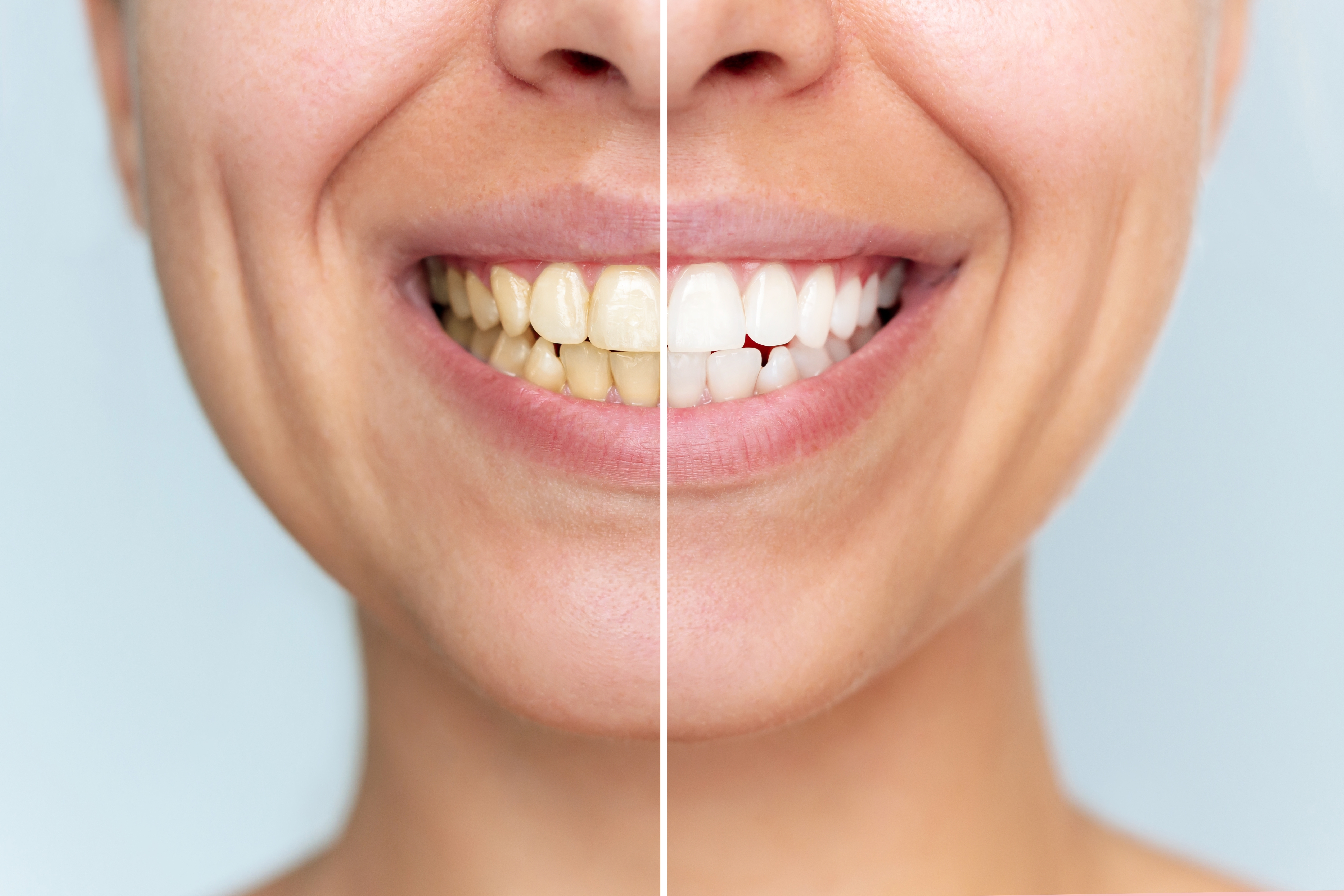
Teeth can become stained or darker because of food and drink, smoking, getting older, an injury or some medicines. Stains from food and drink, and stains only on the surface, may be removed with good oral hygiene or teeth whitening. More severe discoloration may need to be covered with fillings, veneers or crowns.
What Causes Stained Teeth?
Your genes affect the color of your teeth. Other things that can stain or darken them include:
- Food and drink: Coffee, tea and red wine contain strong color pigments that attach to the outer layer of the tooth, the enamel.
- Tobacco: Tar and nicotine create stubborn stains.
- Getting older: The enamel gets thinner over time, and more of the yellowish layer underneath, the dentin, shows through.
- An injury: If you have been hit in the mouth, a tooth may change color.
- Some medicines and cancer treatment: Some medicines can darken teeth, and so can chemotherapy and radiation to the head and neck.
- While teeth are forming in childhood: Some antibiotics taken before age 8, too much fluoride, or a high fever can change the color of the teeth.
Can Stained Teeth Be Whitened?
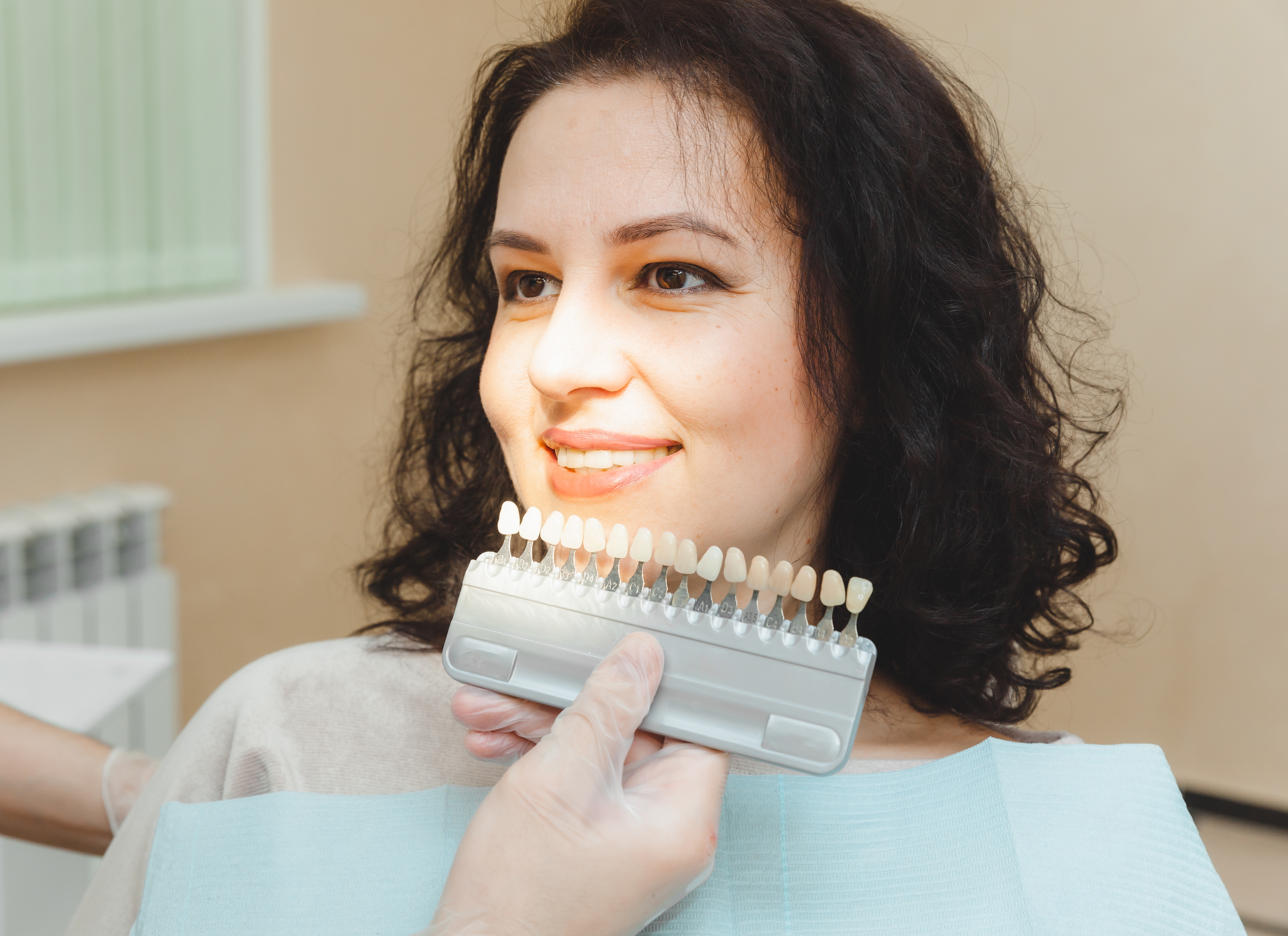
Some can. Yellow teeth will probably whiten well, brown teeth may not respond as well, and teeth with gray tones may not whiten at all. Whitening also won't be effective if the discoloration is caused by medicines or an injury. It works only on natural teeth, not on crowns, veneers, fillings or dentures.
When to See a Dentist About Stained Teeth
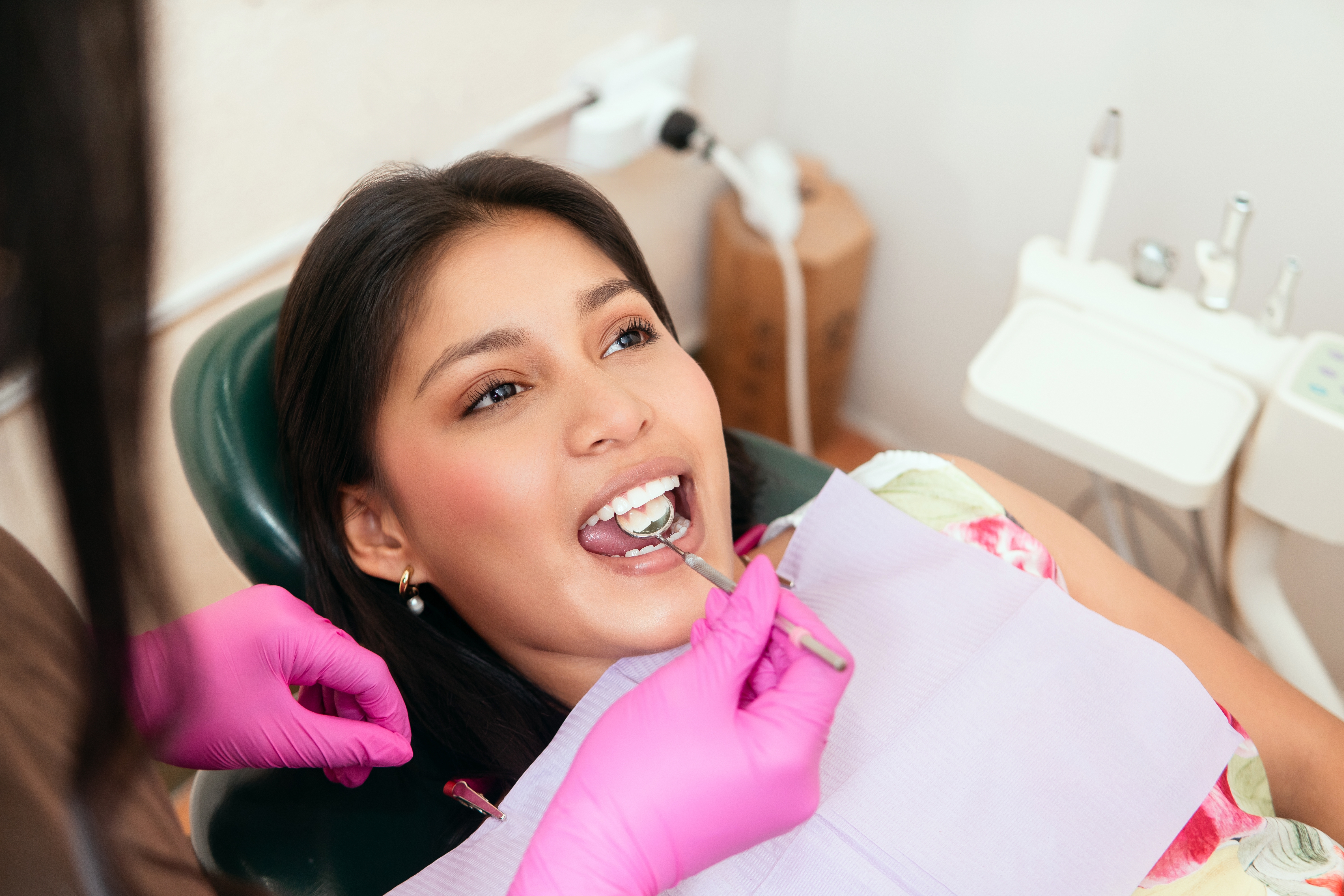
A dentist can examine your teeth and ask about your symptoms. Make an appointment if any of these sounds familiar:
Do any of these sound like you?
Our coordinators reply within 24 hours.
0/3
If the color change seems to be related to a medical condition, talk to your doctor as well.
Treatment Options for Stained Teeth
Talk to your dentist before you decide which option is right for you. Teeth whitening is not done for people aged 17 or under or with unhealthy teeth or gums, and it is not recommended during pregnancy or breastfeeding.
Based on our research of published clinic prices, checked October 2026. Your coordinator gives you a personal quote.

Dental
Teeth Whitening
Tooth bleaching
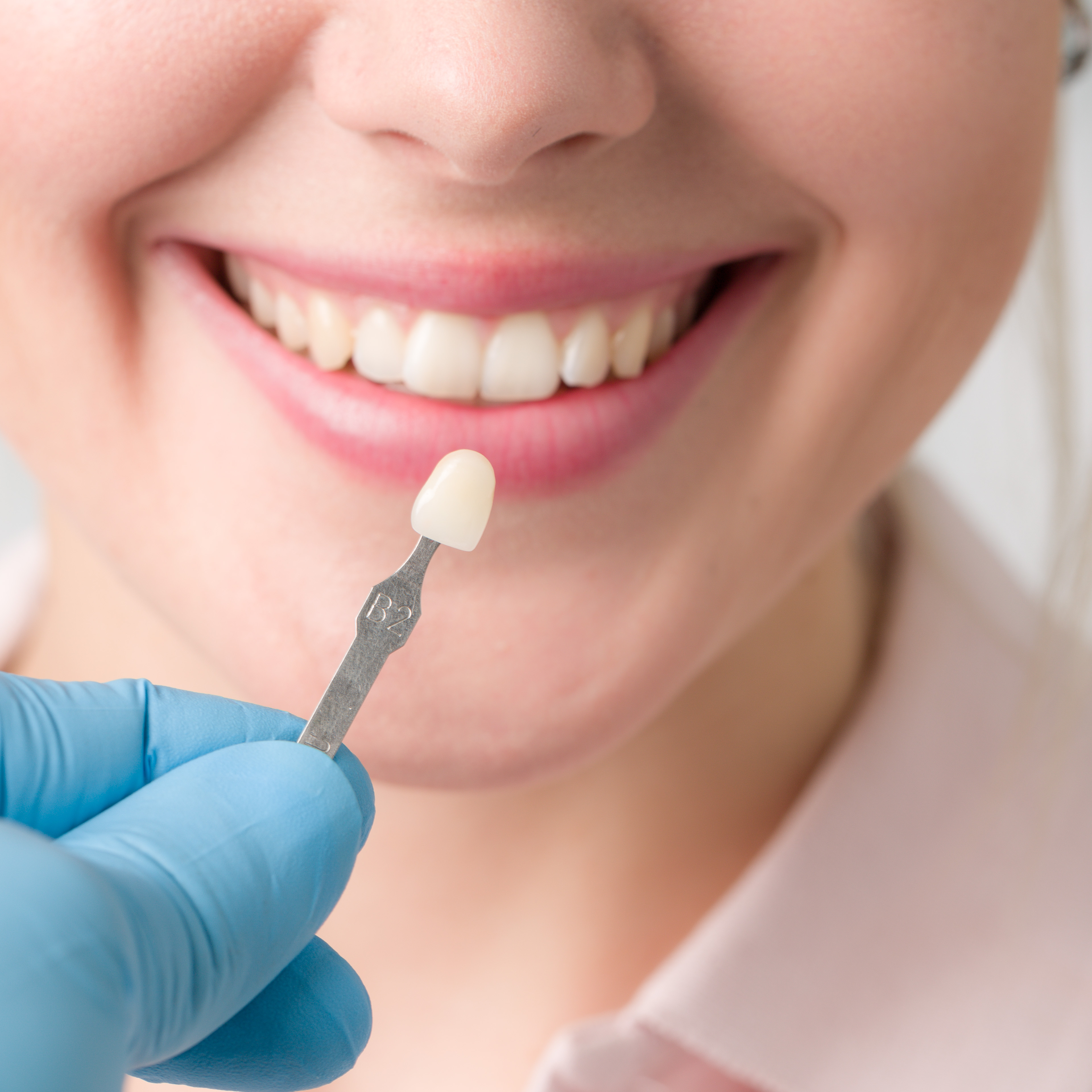
Lightens the color of your natural teeth with a bleaching gel, in the clinic or with custom trays at home.
Time abroad
One appointment
When it may fit: For stains on natural teeth from food, drink, smoking or getting older, once teeth and gums are healthy.
Dental
Veneers
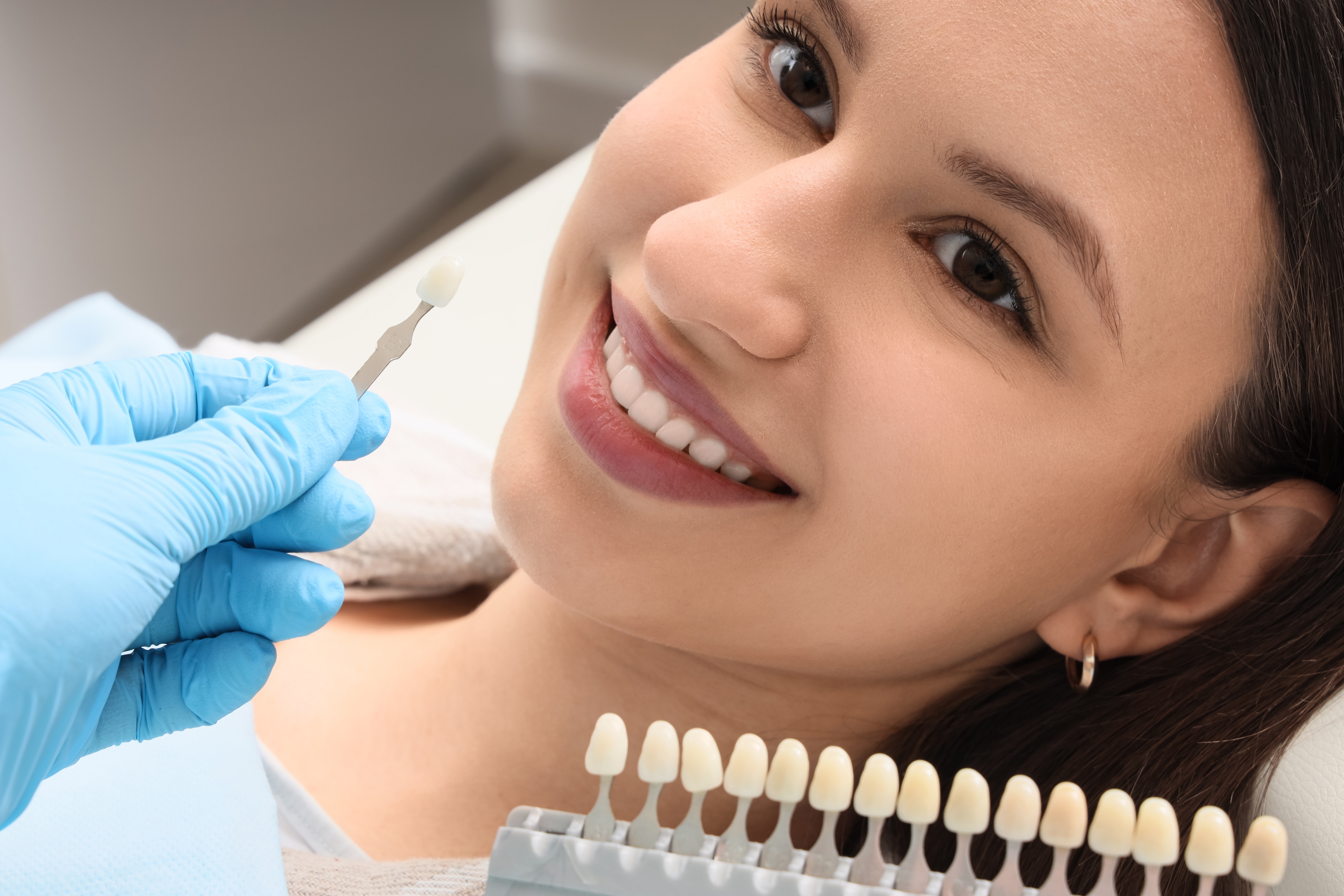
Dental veneers
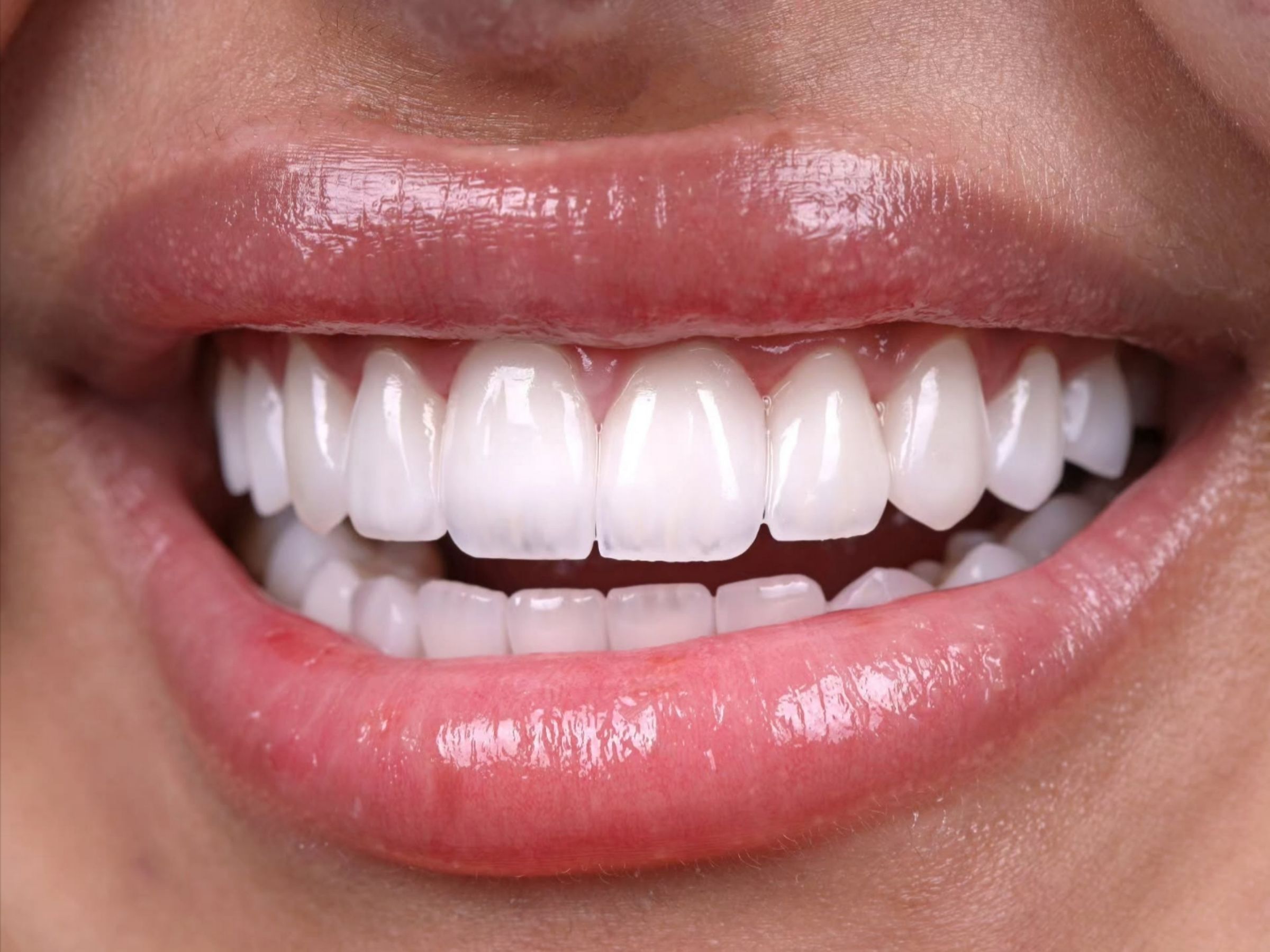
Thin, custom-made shells bonded to the front of your teeth to change their color, shape or size.
Time abroad
5 to 7 days
When it may fit: For more severe discoloration, covering the front surface of the teeth.
Stained Teeth: Frequently Asked Questions
Does whitening toothpaste whiten teeth?
It can remove stains on the surface. All toothpastes help remove surface stains with mild abrasives, and whitening toothpastes have extra polishing agents. Unlike bleaches, they do not change the color of the teeth.
Are whitening kits from shops or online safe?
Whitening from beauty salons, or with a kit bought from a pharmacy or online, does not work as well and may harm your teeth and gums. Having it done by a dentist, or using a kit from a dentist, is the safest way.
How long does whitening last, and are there side effects?
Whitening is not permanent, but if you follow your dentist's advice, the effect may last for around 3 years. Some people have sensitive teeth or sore gums for a short time afterwards. Talk to your dentist if a side effect bothers you.
Sources
Tooth: abnormal colors
MedlinePlus, U.S. National Library of Medicine · medlineplus.gov
Teeth Whitening
American Dental Association, MouthHealthy · mouthhealthy.org
Veneers
American Dental Association, MouthHealthy · mouthhealthy.org
Teeth whitening
NHS · nhs.uk