Plastic Surgery · Concern
Droopy Eyelids: Causes and Treatment Options
Droopy eyelids are upper eyelids that sit lower than they should. Most often this comes with age: the eyelid skin becomes loose, or the muscle that lifts the eyelid stretches, and often both happen together. Droopy eyelids can make you look tired and, when they sag enough, block part of your vision. Treatment can help, and a doctor decides which one fits the type you have.
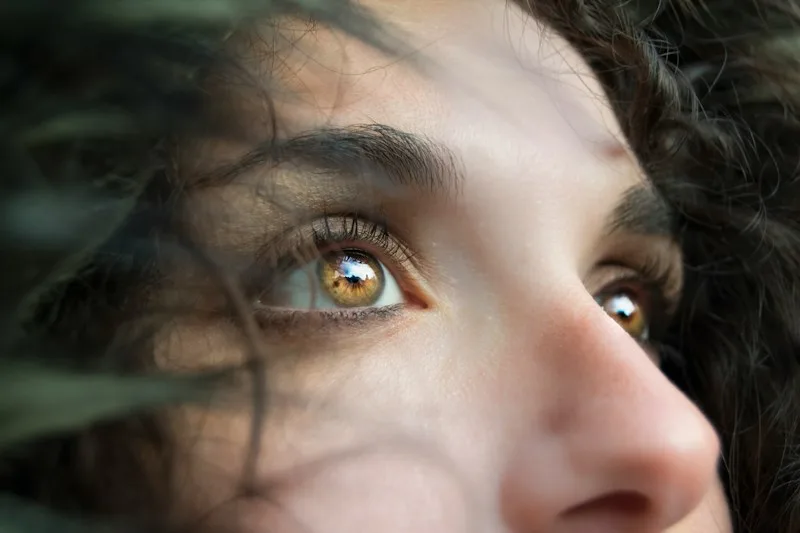
What Causes Droopy Eyelids?
There are two main types, and they are treated differently. Many people have both.
Loose Eyelid Skin (Dermatochalasis)
With age, the skin of the upper eyelid can become loose and baggy. It can fold over the eyelid and sometimes get in the way of your vision. A low or relaxed eyebrow can add to the weight on the upper eyelid.
A Stretched Eyelid Muscle (Ptosis)
With ptosis, the edge of the eyelid itself sits too low. In adults, it usually happens when the muscle that lifts the eyelid stretches or separates from the eyelid, most often with age. It can also follow an eye injury, some eye surgeries such as cataract surgery, or contact lens wear. Rarely, a problem with the nerves or muscles is the cause.
How Droopy Eyelids Affect You
At first, you may notice that the top of your field of vision is blocked. If the eyelid covers the pupil, it can block your vision completely. To see better, many people raise their eyebrows or tilt their head back, which can lead to eye strain, an aching brow or tiredness when reading. Droopy eyelids can also make your face look tired.
When to See a Doctor About Droopy Eyelids
Most droopy eyelids come with age and are not a sign of disease. An eye doctor (ophthalmologist) can find the cause. Make an appointment if any of these sounds familiar:
Do any of these sound like you?
Our coordinators reply within 24 hours.
0/5
Droopy Eyelids: Frequently Asked Questions
Can droopy eyelids be treated without surgery?
Sometimes. For some adults with ptosis, a doctor may suggest a prescription eye drop, though it does not work for every type of droopy eyelid. If a disease is causing the drooping, the doctor treats that first.
Can a droopy eyelid affect a child's vision?
Yes, if it blocks the child's vision. A lazy eye (amblyopia) can then develop, so severe cases may need treatment early. Children with milder drooping should have regular eye exams.
How does a doctor check a droopy eyelid?
An eye doctor examines your eyes and eyelids, which may include a slit-lamp exam and a visual field test. If a nerve or muscle problem is suspected, other tests may follow.
Sources
Eyelid drooping
MedlinePlus, U.S. National Library of Medicine · medlineplus.gov
Ptosis: infants and children
MedlinePlus, U.S. National Library of Medicine · medlineplus.gov
What Is Ptosis?
American Academy of Ophthalmology · aao.org
Eyelid Surgery
American Society of Plastic Surgeons · plasticsurgery.org
Upper Eyelid Drooping (Ptosis)
Sengkang General Hospital, SingHealth · skh.com.sg